Which Relationship Boundaries Should Every Couple Discuss?


Key Takeaways
- Relationship Boundaries are about what you will do, not what your partner must do.
- Touch, sex, feelings, time, and money can all use a clear conversation.
- Dating couples and married couples need limits, just different ones.
- Ongoing guilt, resentment, or tiredness usually means a limit is missing.
- Say it clearly, follow through, and revisit it every few months.
You say yes to a Saturday you wanted to skip. By Monday you’re quietly annoyed, and your partner has no idea why. Sound familiar? That’s what a missing boundary feels like. Relationship Boundaries aren’t walls. They’re small, honest agreements that keep two people close without erasing either one. Here’s how they work, what they look like, and how to set them.
What are Relationship Boundaries?
Relationship Boundaries are the lines you draw around your body, feelings, time, and stuff. They tell your partner how you like to be treated and what you’ll do if that doesn’t happen. Healthy boundaries in relationships actually create closeness, since nobody has to play guessing games.
One catch. A boundary is about your own actions. “I’m going to step out if we start yelling” works. “You can’t yell at me” is just an order.
What are the Types of Boundaries in Relationships?
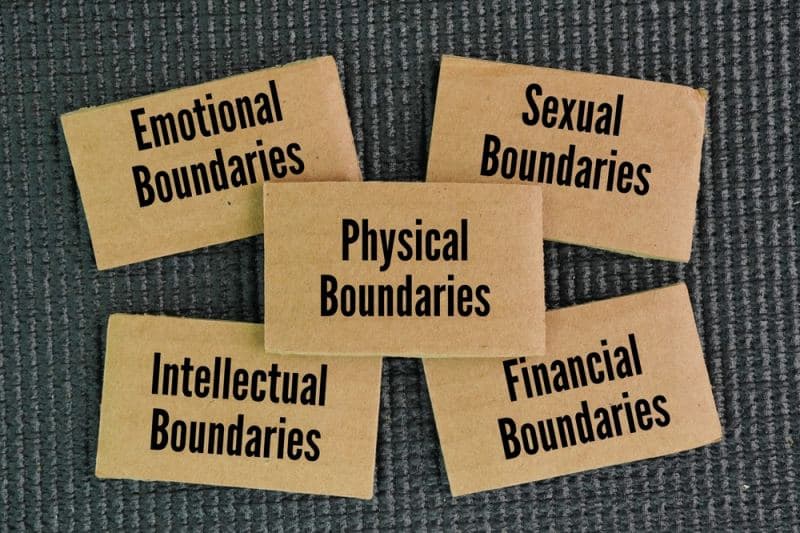
Every couple is different, so you won’t need every kind. Most people trip over the same few, though. Figure out which one keeps causing friction and the conversation gets easier. Start with these three, then look at money and time once those feel steady.
1. Physical Boundaries
Physical boundaries are about space, touch, and privacy. Maybe you hate surprise hugs in public. Maybe your home office is off limits when you’re on calls. Neither is strange. The trick is saying so early, since nobody can honor a limit they’ve never heard about.
2. Sexual Boundaries
Sexual boundaries start with consent, but they don’t stop there. Comfort levels shift with stress, health, age, and kids. So ask once in a while, “Is this still working for you?” Frequency and contraception deserve the same check-in. It lifts pressure off both of you.
3. Emotional Boundaries
Emotional boundaries decide how much of someone else’s mood you carry. You can hear about your partner’s awful day without taking it on as your own. You can also say, “I can’t dig into this tonight.” And if they get upset about your limit? That reaction is theirs.
What are Some Examples of Relationship Boundaries?
Theory only goes so far. Here’s what boundaries sound like when real couples say them out loud.
- “Knock first if the door’s closed.”
- “I’m not going to share details of our arguments with my mom.”
- “Thursday nights are mine for pottery class.”
- “Let’s talk before either of us spends over a set amount.”
- “I want to talk about this, just not while we’re both furious.”
How Do You Start Setting Boundaries While Dating?
Setting boundaries while dating can feel awkward, like you’re handing over a rulebook on date two. Don’t. Bring things up as they come, whether that’s texting habits, how fast things move, or talking about exes. Then watch the reaction. A person who respects you will listen without sulking or teasing. That tells you plenty.
Why Do Personal Boundaries in Marriage Matter?
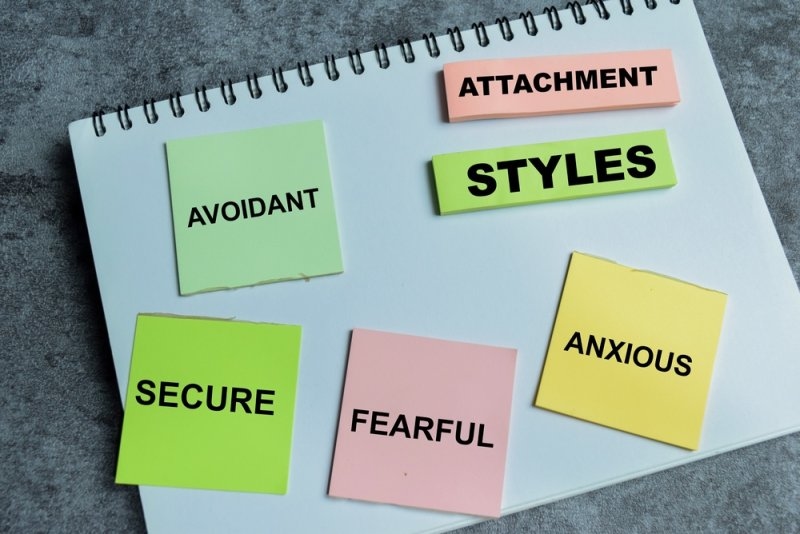
After a few years of shared bills, shared calendars, and shared in-laws, it’s easy to forget you’re still two people. Personal boundaries in marriage protect your privacy, friendships, and hobbies, so the partnership doesn’t swallow everything. Your attachment styles play a part too, since some people crave space while others crave closeness. And yes, limits change. A new baby or a layoff usually means a fresh talk.
What are the Signs of Unhealthy Relationship Boundaries?
Unhealthy limits tend to go one of two ways. Either they’re so rigid that your partner gets locked out, or so loose that you agree to everything to avoid friction. If you dread certain conversations before they even start, pay attention. Here’s a quick comparison.
| Healthy Pattern | Unhealthy Pattern |
| You can say no without guilt | You say yes to avoid a fight |
| Privacy is respected | Phones and messages get checked |
| Feelings are shared openly | Emotions are hidden or dumped |
| Disagreements end in compromise | Silent treatment or threats follow |
Ignored limits also raise the temperature fast. Arguments get hot, and emotional flooding can leave both of you unable to think straight, let alone listen.
Tips for Setting Boundaries in Relationships
Nobody gets this right on the first attempt, so go easy on yourself. These steps keep things calm whether you’ve been together two months or twenty years. Start with something small. Keep your voice even. And remember you’re sharing information, not delivering a verdict.
1. Know What You Need
Before the talk, get honest with yourself. What bugs you? What makes you feel respected? How do you want to spend your evenings? Write a few notes if that helps. Fuzzy feelings turn into fights. Specific needs turn into requests your partner can actually act on.
2. Choose the Right Moment
Timing matters more than people admit. Skip the conversation mid-argument or at 11 p.m. Wait for a relaxed moment, then lead with “I,” as in “I feel drained when plans change last minute.” That phrasing gets you heard, while “you always” gets you a defensive shrug.
3. Follow Through and Check In
A boundary is only as good as your follow-through. If you say you’ll leave the room when voices rise, then leave the room. Also revisit your limits every few months, because life moves. What worked last spring might feel off now. Consistency is what earns trust.
Conclusion
Boundaries aren’t a sign something’s wrong. Usually they’re the reason things go right. When each of you knows where the lines are, small annoyances stop piling up. Pick one limit to bring up this week. Say it kindly, then ask about your partner’s. Small, honest talks beat one big blowup every time.
Frequently Asked Questions
Can relationship boundaries change over time?
Absolutely, and they should. A new job, a baby, or a rough year can change what feels okay. Check in every so often, explain why something shifted, and invite your partner to update theirs too.
Are boundaries the same as ultimatums?
Not quite. An ultimatum tries to steer your partner, while a boundary covers what you will do. “Do this or else” is pressure. “I’ll step outside if we start shouting” is a limit you control.
What should I do if my partner keeps ignoring my limits?
Say it calmly again and name the consequence you’ll actually follow through on. If nothing changes, try couples counseling. And if you ever feel unsafe or threatened, contact someone you trust or a local helpline.
Do boundaries mean I don’t trust my partner?
Not at all. Most of the time boundaries build trust, since both people know what’s okay. Limits aren’t an accusation. They show you care enough about yourself and the relationship to be upfront.
Can couples set boundaries around social media?
Plenty of couples do. They talk about what gets posted, whether passwords stay private, and how to handle messages from exes. Decide together rather than assuming, and revisit it when habits change.
This content was created by AI