How Can You Heal Anxious Attachment in Your Relationship?

Quick Takeaways
- Anxious attachment stems from early inconsistent caregiving that creates a deep fear of abandonment in adult relationships.
- Individuals with this bonding pattern often seek constant validation and experience hypervigilance regarding partner mood shifts.
- Over 20 percent of adults display anxious relational tendencies that cause frequent emotional distress during conflicts.
- Self-soothing techniques and clear emotional boundaries help individuals build internal security and lessen relationship anxiety.
- Open communication and secure relationship habits transform unstable dynamics into resilient emotional connections over time.
Waiting for a text reply should not feel like an emotional crisis. Yet for millions of individuals living with anxious attachment, a delayed message or subtle shift in tone can trigger overwhelming fear. You deserve clear, compassionate insights that help you understand your emotional patterns and feel truly secure in love.
According to research published by the American Psychological Association, roughly 20 percent of adults exhibit an anxious attachment style in romantic relationships. This psychological bonding pattern often creates continuous worries about rejection, emotional distance, or sudden abandonment. Recognizing these behavioral triggers is the crucial first step toward lasting personal healing and healthier dynamics.
In this article, we will explore what defines an anxious attachment style, explain why anxious partners act the way they do, examine the different types of anxious attachment, and discuss how the anxious attachment style forms in childhood. We will also highlight common triggers for anxious partners, outline the impact of anxious attachment in relationships, and share practical steps to foster secure emotional bonds.
What is Anxious Attachment, and How Does It Manifest?
Understanding this relational pattern begins with recognizing how your nervous system responds to emotional intimacy. People who navigate this dynamic often desire intense closeness while simultaneously fearing that their partner will pull away.
This hypervigilance keeps your brain constantly scanning for signs of emotional distance or conflict. When you perceive even a tiny shift in your partner's mood, your mind assumes the worst. Consequently, you might react by seeking immediate reassurance, making frequent calls, or over-analyzing minor daily interactions.
Why Do Anxious Partners Do What They Do?
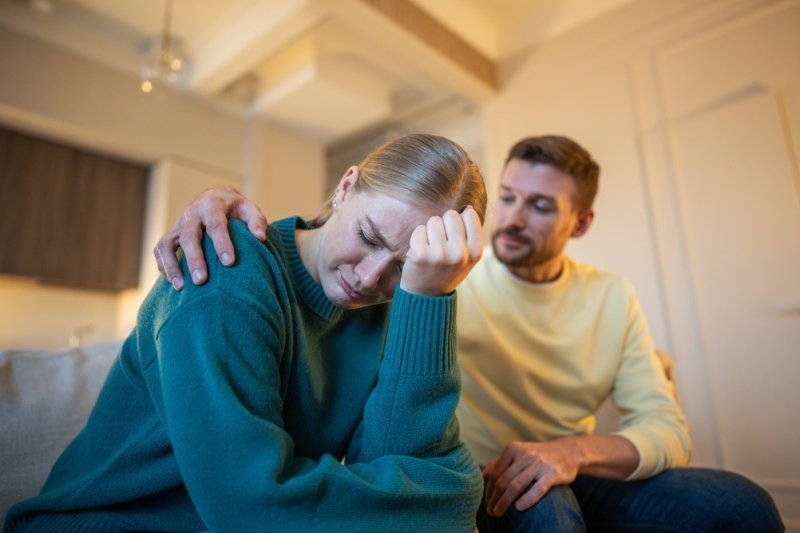
The behaviors of anxious partners are not random or dramatic for the sake of attention. They are biologically driven survival strategies triggered by an activated threat response in the nervous system.
When an anxious person senses emotional distance, their brain registers it as an urgent threat to their safety and stability. To restore a sense of security, they use what psychologists call protest behaviors. These actions include compulsive texting, demanding immediate reassurance, guilt-tripping, or threatening to leave. These behaviors stem from a profound, deep-seated belief that they must fight to keep emotional connection intact.
Types of Anxious Attachment Expression
While all anxious attachment shares a core fear of abandonment, individuals express this underlying distress through distinct relational styles.
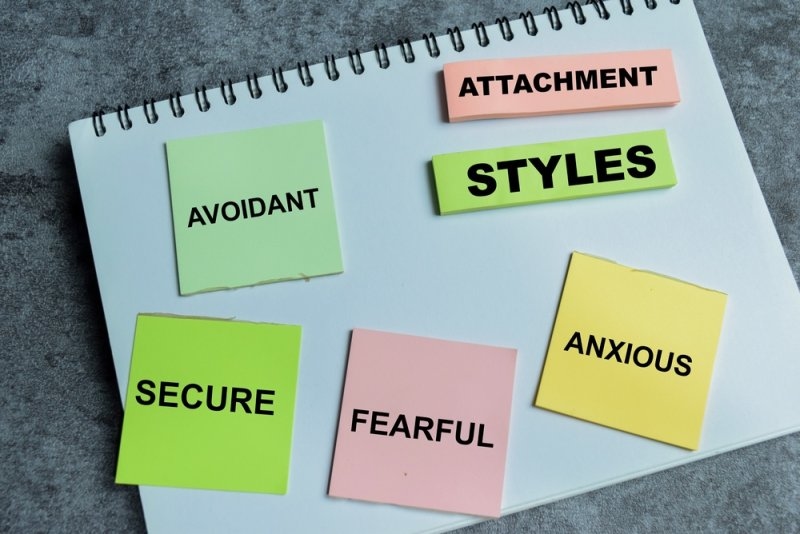
- Anxious Preoccupied Attachment: Individuals focus intensely on their relationships, constantly seeking high intimacy while worrying their partner does not value them as much.
- Anxious-Avoidant Hybrid Attachment: Also known as fearful-avoidant or disorganized attachment, where a person deeply craves love but feels terrified of emotional closeness.
- High-Functioning Anxious Attachment: Individuals appear completely calm, organized, and confident outwardly, while internally experiencing intense panic regarding their relational security.
How Does the Anxious Attachment Style Form in Early Life?
Our adult bonding behaviors rarely develop in a vacuum. Developmental psychologists emphasize that our earliest bonds set the template for how we navigate love decades later.
- Inconsistent Caregiving: Primary caregivers who alternate between high warmth and cold unavailability create emotional unpredictability.
- Role Reversal Dynamics: Children who feel responsible for soothing their parent's emotions learn that love requires constant vigilance.
- Early Childhood Trauma: Unexpected loss, parental divorce, or emotional neglect damages a child's fundamental sense of safety.
- Conditional Affection: Growing up in environments where praise depends strictly on performance fosters deep fear of rejection.
Common Triggers for Anxious Partners in Relationships
Navigating daily intimacy presents specific challenges when your emotional alarm system is highly sensitive. Identifying these environmental triggers helps you pause before reacting compulsively.
| Relational Trigger | Internal Perception | Typical Reaction |
| Delayed Communication | Fear of sudden abandonment or anger | Repeated texting or compulsive checking |
| Partner Needing Space | Perception of emotional rejection | Chasing, protest behavior, or guilt-tripping |
| Unresolved Conflicts | Dread of permanent relationship loss | Urgent demand for immediate answers |
| Ambiguous Signals | Assumption that affection is ending | Over-analyzing tone, body language, and expressions |
Recognizing these automatic responses empowers you to choose calmer communication paths instead of falling into reflexive panic.
What is the Impact of Anxious Attachment in Relationships?
When one or both individuals bring unresolved attachment fears into a partnership, daily interactions can become exhausting cycles of pursuit and withdrawal.
The Anxious Avoidant Trap
Anxious individuals are frequently drawn to avoidant partners who pull away under emotional stress. This dynamic creates a painful cycle where pursuit triggers withdrawal, which in turn amplifies fear and pursuit. Breaking this loop requires intentional self-awareness from both individuals.
Over-Dependency on External Validation
Relying entirely on a partner to soothe internal self-doubt creates immense emotional pressure. True security forms when you learn to validate your own emotional worth while receiving loving support from your partner.
Practical Steps to Move Toward Secure Attachment
Transforming your relational patterns takes patience, consistent practice, and compassionate self-reflection.
Step 1: Identify your emotional triggers when feeling anxious or abandoned.
Step 2: Practice self-soothing breathing techniques to calm your nervous system.
Step 3: Express your emotional needs directly without using protest behaviors.
Step 4: Cultivate independent hobbies and friendships outside your romantic relationship.
By consistently applying these grounding techniques, you rewire your emotional responses and cultivate deep self-trust.
Try This: What Are the Signs of Emotional Distance in a Relationship?
Conclusion
Building healthy, secure connections requires patience, self-compassion, and a deep understanding of your personal bonding patterns. Throughout this article, we explored what defines anxious attachment, explained why anxious partners act the way they do, detailed the various types of anxious attachment, and examined how the anxious attachment style forms during early childhood experiences. We analyzed common triggers faced by anxious partners, evaluated the overall impact of anxious attachment in relationships, and provided practical strategies for cultivating lasting emotional security. Recognizing your emotional habits allows you to step away from panic and build balanced partnerships rooted in trust. Every step you take toward self-awareness brings you closer to the peaceful, fulfilling connection you truly deserve.
Taking control of your emotional journey starts with surrounding yourself with inspiring experiences, thoughtful guidance, and intentional spaces. Connect with supportive environments, plan meaningful life experiences, and nurture authentic connections that honor your emotional well-being every single day.
FAQs
How Can a Partner Support Someone With Anxious Attachment?
Partners can offer meaningful support by providing consistent communication, validating emotional feelings, and keeping verbal promises. Offering clear reassurance during moments of conflict helps reduce anxiety significantly. Establishing predictable daily routines and maintaining open dialogue creates a safe environment where anxious individuals feel secure and truly valued.
What Self-Soothing Techniques Calm Relational Anxiety Fast?
Practical self-soothing techniques include deep diaphragmatic breathing, progressive muscle relaxation, and grounding exercises like the 5-4-3-2-1 sensory method. Journaling your immediate thoughts helps separate objective facts from anxiety-driven assumptions. Engaging in gentle physical activity or listening to calming music also helps regulate an overactive nervous system quickly.
Can Two Anxious Partners Build a Stable Relationship Together?
Two anxious individuals can build a loving and stable connection if both partners commit to self-awareness and clear communication. Because both understand the deep need for emotional closeness, they often show high empathy. However, they must actively practice self-soothing to avoid escalating mutual panic during moments of stress or disagreement.
How Does Therapy Help Rewire Insecure Attachment Patterns?
Therapy helps individuals process past emotional wounds, identify unconscious relational triggers, and develop healthier coping mechanisms. Cognitive behavioral approaches challenge negative thought loops, while somatic therapies help regulate physical panic responses. Working with an experienced therapist accelerates the transition toward earned secure attachment over time.
What is the Difference Between Anxious Attachment and Codependency?
Anxious attachment is a biological bonding style focused on fear of emotional abandonment and a need for proximity. Codependency is a learned behavioral pattern where an individual sacrifices their own needs to care for or control another person. While they frequently overlap in romantic dynamics, they stem from distinct psychological roots.
This content was created by AI