What Are the Signs of Emotional Distance in a Relationship?


Key Takeaways
- Signs of Emotional Distance usually look small at first: less talking, less touching, more quiet.
- Emotional distance in a relationship rarely happens overnight. It builds from stress or needs nobody said out loud.
- You may notice emotional distance when replies get shorter, eye contact drops, and plans feel like they quietly end.
- Getting back on track with your partner is not about one grand act. It is about being there day after day, in small ways.
- How to rebuild emotional connection takes patience and letting go of who did what wrong.
Most couples go through a rough patch where they feel more like housemates than partners. That's not a failure; it's just something worth paying attention to. Catching the signs of emotional distance early is what gives you a real chance to close the gap before it turns into something harder to fix.
What are the Signs of Emotional Distance in a Relationship?
You often do not notice when you and your partner start to feel far apart. It happens little by little. You may send shorter messages. Replies can turn into just a word. You might stop asking about what their day was like. Then you look up and realize you are in the same space, but you are not truly connected.
Some signs of emotional disconnection worth noticing:
- Talking feels forced, or it's all logistics, no real substance
- Physical affection has quietly dropped off, and nobody's said anything
- One of you (or both) has stopped sharing what's actually going on inside
- Date nights and shared little rituals just... stopped happening
- Fights get avoided instead of worked through
Why Does Emotional Disconnection in Relationships Happen?
Honestly, emotional disconnection in relationships usually comes down to stress, tiredness, or resentment that never got voiced. Big life shifts, new jobs, kids, and grief tend to pull attention away from the relationship without either person meaning for that to happen. Left alone long enough, that distance just becomes how things are.
1. Stress and Busy Schedules
Work piles up, calendars get packed, and real conversation quietly disappears. You end up passing each other in the kitchen without actually connecting. It's rarely one blow-up fight that causes this. It's a hundred small missed moments.
2. Unresolved Conflict
Arguments that never got fully settled have this habit of coming back as coldness later. Instead of naming what actually hurt, people pull back instead. That silent withdrawal does more damage over time than the original disagreement ever did.
3. Different Emotional Needs
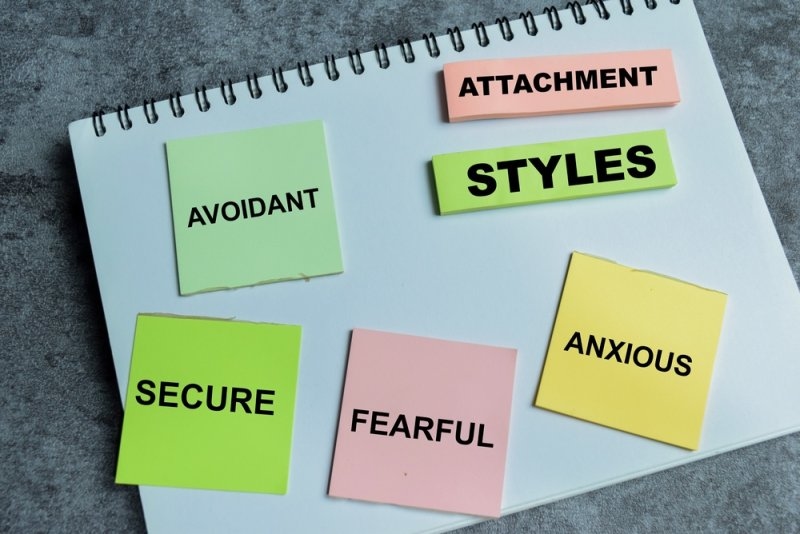
Sometimes one partner wants constant reassurance, and the other just wants room to think. That mismatch, similar to what's explored in attachment styles shaping love in relationships, often explains why the same distance feels totally different depending on who you ask.
How Do You Know You're Feeling Emotionally Disconnected From Your Partner?
Feeling emotionally disconnected from your partner can happen even while you're sitting right next to them on the couch. Maybe you've noticed you laugh less, or you stopped reaching out on the tough days. That gut feeling is usually worth listening to, because this stuff rarely resolves itself.
A quick gut-check:
| Signal | What It Might Mean |
| You avoid sharing news first | Trust or interest might be slipping |
| Touch feels a little awkward lately | Emotional closeness has quietly dipped |
| You'd rather text than actually talk | Real-time connection feels harder now |
| Little habits bug you more than usual | There might be resentment underneath |
How to Reconnect With Your Partner Step by Step

Figuring out how to reconnect with your partner doesn't need some big romantic reset. Small, repeated stuff tends to work better than one grand gesture anyway. Showing up consistently matters way more than getting it perfect.
1. Start With Honest Check-Ins
Just ten minutes a day, asking how your partner's actually doing, can shift a lot. Skip the advice for now. Just listen, without jumping straight to fixing whatever they bring up.
2. Rebuild Physical Affection Slowly
Hold hands a bit more. Let a hug run a few seconds longer. Sit closer on the couch than you have been. Touch releases oxytocin, and that naturally chips away at the walls; stress builds up.
3. Address Emotional Flooding Before It Escalates
Some people get overwhelmed in heated moments way faster than others, something covered well in understanding emotional flooding and its impacts. Catching that early keeps small disagreements from snowballing into deeper distance.
How to Rebuild Emotional Connection Over Time?
How to rebuild emotional connection isn't a one-conversation fix, no matter how good that talk is. It's more of an ongoing practice than a checkbox. The couples who actually turn things around tend to keep working at it, not just address it once and move on.
Habits worth folding into your week:
- No-phone time, even just once a week
- Talking through where you're headed together, not just what's wrong right now
- Actually celebrating the small wins, not only flagging the problems
- Trying couples counseling if the same fight keeps looping
How to Reconnect Emotionally With Your Partner Every Day?
How to reconnect emotionally with your partner really comes down to the tiny stuff, not the occasional heart-to-heart. A hug in the morning, one real question at dinner, and a goodnight text that isn't just "night." All of it adds up more than people expect.
Try adding one new habit a week instead of trying to fix everything at once. Slower changes tend to actually stick, and neither of you ends up feeling pressured.
Final Thoughts
Spotting the signs of emotional distance early gives you and your partner an actual shot at turning things around. Emotional disconnection in relationships happens to a lot of couples, and it's rarely permanent when both people are willing to show up for it. Start small, stay consistent, and try curiosity instead of blame while you rebuild what's been missing.
Frequently Asked Questions
What are the early signs of emotional distance in a relationship?
Usually it starts small: conversations get shorter, touch happens less, and eye contact fades during talks. You might also notice daily updates and feelings go unshared, replaced by polite small talk that doesn't really say much.
Can emotional disconnection in relationships be reversed?
Most of the time, yes, if both people put in consistent effort. Honest conversations, shared time, and patience tend to bring back trust and warmth. Distance that's been ignored for years might need a therapist's help to fully mend.
How long does it take to reconnect emotionally with a partner?
Honestly, it varies a lot. It comes down to how long the gap's been there and how much both people actually want to close it. Some couples feel a shift within weeks; others need several months of steady work.
Is feeling emotionally disconnected from your partner normal?
Yes, more than people admit. Long-term relationships go through rough patches from stress, big life changes, or old arguments that never got resolved. The real difference is whether both people notice it and choose to address it together.
What is the first step in learning how to reconnect with your partner?
Just start talking, without pressure or an agenda. Say how you've actually been feeling, listen more than you speak, skip the blame entirely, and pick one small habit you can both commit to rebuilding together.
This content was created by AI