Wedding Floral Traditions for Timeless Ceremony Style Ideas!

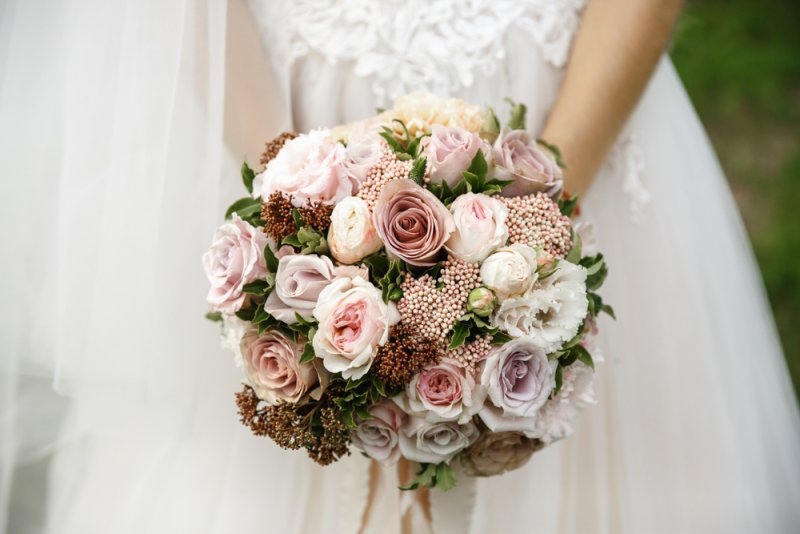
Flowers have always played a big role at weddings. Not just for the looks, and not just for the photos, either. They mean something—love, luck, fertility, protection, hope. Some of these traditions date back centuries, and some go even further. Ancient Greece, Rome, India, England—no matter where, people used flowers to express what words sometimes couldn’t. That’s why we still see floral customs stick around, even in the simplest or most modern weddings.
Some couples stick to every tradition. Others just pick what fits them. Either way works. Here, we’re diving into wedding floral traditions, their history, the stories behind them, and some ideas you can use in your own ceremony—if you want to.
Understanding Wedding Floral Traditions and Their Meaning
Wedding Floral Traditions are deeply tied to symbolism. Long before floral arches and luxury centerpieces became popular, flowers were used for practical reasons, too. Strong herbs and blooms were believed to protect couples from bad luck or evil spirits.
Long before modern weddings, ancient Greeks and Romans loved adorning themselves with garlands made from fresh herbs, leaves, and flowers. Rosemary symbolized loyalty. Ivy stood for strength. Dill—oddly enough—was linked to passion and desire. Strange now, but meaningful then.
The Story Behind the Bridal Bouquet Tradition
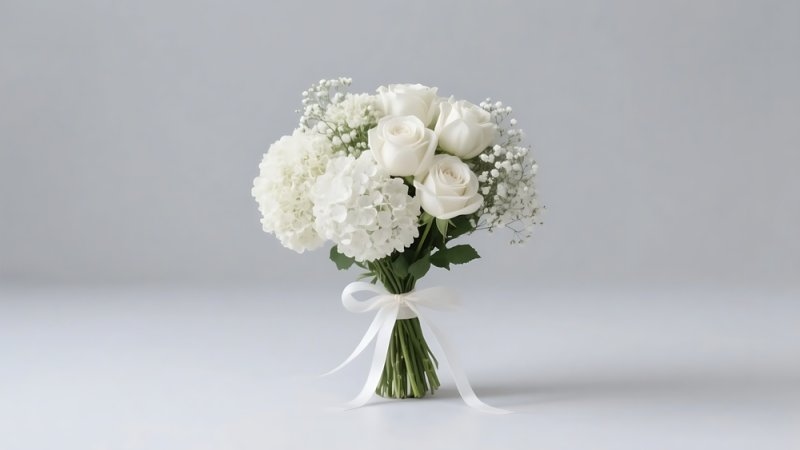
The bridal bouquet is probably the most recognized floral wedding element. It feels obvious now—but it started very differently. In ancient times, brides carried herbs, garlic, and fragrant plants rather than fresh flower arrangements. The idea was simple. Ward off evil, attract luck.
How The Bridal Bouquet Evolved Over Time
The modern bridal bouquet became popular in the Victorian period. That’s when flowers turned into visual storytelling. Brides selected blooms based on meaning, family customs, or personal emotion.
These days, the bridal bouquet does a lot:
- It pulls the whole bridal look together.
- Brings in color and texture.
- Shows off personality.
- Sometimes keeps family history alive.
A wild mix of field flowers feels totally different from a perfect, classic rose bouquet. Both can be beautiful. Style matters, but so does meaning—and for some, meaning matters more.
Choosing a Bridal Bouquet With Symbolism
Certain flower meanings still shape the bouquets people choose:
- Roses are all about love.
- Peonies bring good fortune and a happy marriage.
- Lilies show purity and devotion.
- Orchids mean beauty and elegance.
You don’t have to follow the “rules” if they don’t speak to you, but adding a flower with a story can make things feel more personal.
Why The Flower Girl Still Matters in Modern Weddings
The flower girl role looks sweet and simple. Small child, basket of petals, cute entrance. But historically, it carried much deeper meaning.
The flower girl tradition traces back to Ancient Rome and Greece. Young girls scattered grains, herbs, petals, and sometimes garlic before the bride’s entrance. The purpose was fertility, abundance, plus protection from evil.
The Symbolism Behind The Flower Girl Entrance
The flower girl represents innocence, joy, and blessings for the couple’s future. Her path of petals symbolically prepares the aisle for the bride. During the Victorian period, flower girls wore white dresses, often resembling the bride’s gown. They carried floral baskets or circular wreaths to symbolize eternal love.
Modern Ideas for The Flower Girl Role
Flower girl traditions are getting a few twists, too. Some couples ask flower girls to toss dried petals, carry tiny bouquets or floral hoops, or even walk down the aisle with eco-friendly petals or greenery. A few have more than one flower girl now. The details change, but the joyful vibe is still there.
Throwing The Bouquet and Its Unexpected Origin
Throwing the Bouquet feels playful now. Reception music, laughter, everyone watching. But the origin is a bit chaotic. In old England, wedding guests believed touching the bride or taking a piece of her bouquet or dress would bring luck.
Why Throwing The Bouquet Became Popular
To dodge pushy crowds, clever brides started tossing their bouquets in one direction, then making a quick getaway the other way. That’s how the bouquet toss started catching on—it became a handy escape trick.
Fresh Alternatives to Throwing The Bouquet
Not every couple wants a bouquet toss. There are other options. People find new ways to handle the bridal bouquet, too. You might give it to parents or grandparents, dedicate it to the longest-married couple at the wedding, or keep it as a memento. Traditions flex. They don’t break.
Wedding Flower Traditions Around The World That Inspire Modern Ceremonies
Wedding flower traditions around the world show how universal flowers really are. Different cultures, different rituals—but similar meanings. Love, luck, unity, blessing.
India and The Meaning of Floral Garlands
Floral traditions aren’t just a Western thing. In Hindu weddings, the Varmala or Jaimala ceremony is a highlight. The couple exchanges flower garlands, and it’s a real moment; it means acceptance, respect, and the start of life together.
Greece and The Crown Ceremony
Greek weddings have their own floral touch with the Stefana—two crowns joined by ribbon, sometimes decorated with flowers. These crowns get placed on the newlyweds’ heads, showing they’re equal partners and the new leaders of their own family.
China and The Lotus Symbol
Over in China, lotus flowers carry a lot of symbolism at weddings. They stand for purity, harmony, honor, and a hopeful, lasting marriage. Two lotus blooms together represent peace and partnership.
Conclusion
Wedding flowers are more than just decoration. Always have been. There’s real history behind the garlands and crowns—sometimes romantic, sometimes strange, but almost always meaningful. These traditions last because people keep seeing their value.
So, whether you’re into tossing the bouquet, a flower girl sprinkling petals, or a tradition that connects to your roots, flowers can make your ceremony feel truly yours. More yours. Keep what feels right. Skip what doesn’t. The best traditions are the ones that actually mean something to you.
FAQs
Can Artificial Flowers Be Used In Traditional Weddings?
Definitely, lots of couples choose high-quality artificial flowers now—either to save money, for longevity, or to avoid allergies. The meaning sticks with the tradition, not the material. It’s the symbolism that counts.
Which Flowers Are Best For Seasonal Weddings?
Seasonal flowers are fresher, easier to get, and often less expensive. For spring, try peonies or tulips. Summer’s great for roses and hydrangeas. In autumn, dahlias and chrysanthemums stand out.
How Far In Advance Should Wedding Flowers Be Planned?
Most couples sort out their flowers about three to six months before the big day. If you’re planning a huge celebration or a wedding in another country, order your flowers early—especially if you’ve got your heart set on rare blooms or custom designs.
What’s The Difference Between Ceremony Flowers And Reception Flowers?
Ceremony flowers decorate main spots like the altar, aisle, or entrance. After vows, those same arrangements can pull double duty as table centerpieces, on the stage, or around the reception area. It's a smart way to save a little money and cut back on waste.
This content was created by AI