Destination Wedding vs. Traditional Wedding: Which Wins?

Key Takeaways
- Set your total wedding budget first. It’ll help you see what’s realistic before you get too attached to either a destination or a traditional wedding.
- Look beyond just the venue—compare everything from travel costs to how large you want your guest list to be.
- Think honestly about who can actually make the trip and what kind of commitment you’re asking from your favorite people.
- Be real about what will make the day meaningful for you two, instead of just following whatever’s trending right now.
- In the end, choose the style that lines up with your priorities and feels right for you.
Wedding comparisons are one of the biggest choices couples have to make when planning their wedding. According to The Knot’s latest data, the average U.S. wedding now tops $30,000. Destination weddings, sure—they usually mean fewer guests, but the travel and extras can add up quickly. It’s not just about sticker price. It’s about your budget, your vision, and your must-have people.
For some, nothing beats saying “I do” on a sun-soaked beach. Others can’t imagine getting married anywhere but their hometown, surrounded by family and friends. Both styles create amazing memories, but honestly, they’re totally different experiences.
Let’s break down destination wedding vs. traditional wedding, how they stack up—costs, what it’s really like for your guests, and what each style uniquely offers—so you can pick the celebration that actually fits your relationship.
What’s a Destination Wedding?
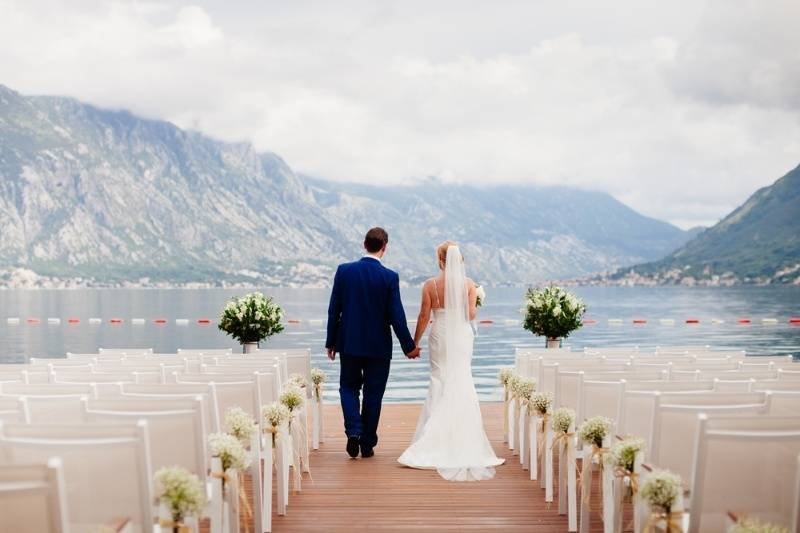
A destination wedding is exactly what it sounds like—the celebration happens somewhere other than your hometown. Sometimes it's another state; often it’s a different country. These weddings typically span several days, making for an extended trip for you and your guests.
Popular destinations? Think beach resorts, mountain lodges, scenic European towns, tropical islands, or wine country—places that instantly feel like a vacation. Lots of couples roll their wedding and honeymoon into one, so the whole event feels like a shared adventure.
Why Choose a Destination Wedding?
It isn’t just about the scenery. For many, the appeal is a more unique, shared experience. Guests often spend several days together, so it feels more like a get-together than a back-to-back event.
What’s a Traditional Wedding?
A traditional wedding typically stays close to home. The ceremony and celebration wrap up in a day or two, making it much easier for friends and family to attend. Local spots, church ceremonies, hometown venues, and family traditions are standard—you get convenience, a bigger crowd, and guests who don’t have to make big travel plans.
Destination Wedding vs. Traditional Wedding: What is the Key Difference?
Destination weddings vs. traditional weddings are both unique and different from each other, even though they serve a similar purpose: a meaningful wedding. Here are the following:
| Feature | Destination Wedding | Traditional Wedding |
| Location | Away from Home (Travel Destination) | Local to You |
| Guest Count | Smaller, More Intimate | Usually Much Larger |
| Planning | Requires More Coordination | More Straightforward Logistics |
| Duration | Several Days | One Day |
| Atmosphere | Feels Like a Vacation | Classic and Familiar |
| Main Expenses | Travel and Accommodations | Venue, Food, and Rentals for a Larger Crowd |
| Guest Experience | Immersive and Memorable | Convenient and Accessible |
Destination Wedding Benefits
This wedding planning is new and trendy, and here are the top benefits of the destination wedding below:
The backdrop is gorgeous
Ocean views, mountain sunsets, historic villages—you can skip half the decorations, because the location does the heavy lifting.
You actually get time with your guests
Spend a weekend together, not just a rushed dinner at the reception.
The guest list feels personal, not obligatory
Travel naturally limits who comes, and most couples say they have more meaningful moments with the people who make it.
Combined price tags
You can roll your wedding and honeymoon into one, so no need to pack up and dash off to catch a plane after the reception.
Traditional Wedding Benefits
This wedding planning is new and trendy, and here are the top benefits of the traditional wedding below:
Convenient
Way easier for most friends and family, especially kids and older relatives—nobody needs a passport or to book flights.
You can invite more people
If having lots of extended family matters, this is usually the better fit.
Tons of vendor options
You can meet your florist, taste cakes, and tour venues well before the big day.
Strong family tradition maintenance
It’s often easier to honor family traditions and religious ceremonies handed down through generations.
Destination Wedding Costs Vs. Traditional Wedding Costs
Budget tends to be a dealbreaker, but comparing the two isn’t totally straightforward.
Destination Wedding Costs:
- Resort packages
- Airfare and travel for you two (sometimes help with guests’ costs)
- Hotels for everyone
- Local marriage paperwork
- Transportation at the destination
- Welcome parties and goodbye brunches
Yes, travel adds up, but smaller guest lists often mean you spend less overall on the venue and catering.
Traditional Wedding Costs:
- Venue rental
- Food and drinks for a big group
- Decor and entertainment
- Photography
- Transportation for you and your wedding party
With a bigger guest count, these costs escalate, even if nobody’s flying anywhere.
Is a Destination Wedding Better Than a Traditional Wedding?
Honestly, there’s no universal answer—it comes down to what you care most about. If your dream day involves a small group, adventure, and a getaway vibe, go the destination route. If you want a big party surrounded by everyone you love, a traditional one might make more sense.
Instead of asking “What’s better?” ask “What feels right for us?”
Pros and Cons of Destination Weddings vs Traditional Weddings
Here are the following pros and cons of the wedding vs traditional wedding below:
| Aspect | Destination Wedding | Traditional Wedding |
| Advantages | Scenic, Memorable Venues | Familiar, Local Setting |
| Guest Experience | Smaller, More Intimate Crowd | Larger Guest List |
| Honeymoon | Easy to Combine with the Honeymoon | Typically Planned Separately |
| Celebration | Multi-Day Bonding Experience | One-Day Traditional Celebration |
| Decor Needs | Less Décor Required Due to the Natural Setting | More Décor Often Needed |
| Planning | More Complex, Especially for International Destinations | Easier and More Familiar Planning Process |
| Family Traditions | May Be Harder to Include | Easier to Incorporate Family Traditions |
| Main Drawbacks | Higher Travel Costs, More Paperwork, and Some Guests May Not Be Able to Attend | Costs Increase Quickly with Large Guest Lists, and Logistics Can Become Complicated |
Wedding Planning Options: Which is Easier?
Traditional weddings usually win for simplicity, thanks to local vendors and the ability to meet everyone in person. You can sample cakes, check out venues, and handle details yourself.
Destination weddings call for more remote planning. Many couples rely on resort coordinators or planners who know the area. It helps cut stress, but you’ll need to handle more communication and travel logistics for your guests.
Neither is truly “easier” or “harder,” just different. It all depends on what sort of support system you have—and how comfortable you are leaving some details in others’ hands.
Which Couples Should Choose a Destination Wedding?
Think destination wedding if:
- You prefer quality time over a huge guest list.
- Travel excites you.
- You want a venue that’s already stunning.
- Combining the wedding and the honeymoon appeals.
- You want a more relaxed, getaway feel.
Think traditional wedding if:
- You want as many loved ones there as possible.
- Family traditions or cultural ceremonies are important.
- You need to plan locally.
- You want more freedom to choose vendors.
- Big celebrations matter to you.
Final Checklist: Ask Yourselves
- What’s our honest budget?
- Do we want lots of guests, or an intimate group?
- Will people actually make the trip?
- Do we want a one-day event or a whole weekend experience?
- Which wedding style just feels right for us?
Answer these, and your decision becomes a lot clearer.
Try This: Wedding Vibes: Top 10 Tips for the Perfect Wedding Day
Wrapping Up
The whole point isn’t to pick the “hotter” option—it’s making the day meaningful for you two. A destination wedding can give you stunning scenery, intimacy, and a built-in getaway. Traditional weddings offer convenience, bigger crowds, and the feeling of home. Both styles give you lifelong memories—if you choose them based on your budget, priorities, and vision.
Take some time to really compare options and talk with your partner. Focus on what you both want this day to feel like. Thoughtful planning now means a wedding day you’ll actually want to remember. Need more ideas or help? There are plenty of resources to guide you from start to finish. Ready to Start Planning?
Your location doesn’t define your wedding—your memories do. Lay out your options of destination vs traditional wedding, focus on what matters most, and start creating the celebration that feels completely “you.”
FAQs
Can You Keep Traditional Wedding Customs at a Destination Wedding?
Definitely. A destination setting doesn’t mean you have to let go of important traditions. Couples bring cultural and family customs, favorite rituals, first dances, and religious ceremonies with them—having a thoughtful plan just makes it all come together, no matter where you tie the knot.
How Far in Advance Should You Plan a Destination Wedding?
Aim for 12 to 18 months before your date. This gives everyone enough runway to save up, get time off work, and handle travel. You can lock in the best venue and vendors, too (especially for popular destinations during busy seasons).
Do Destination Weddings Usually Last More than a Day?
They do. The destination wedding is typically more of a whole-weekend celebration, including pre-events like a welcome dinner, activities, a rehearsal dinner, a rehearsal, and a send-off brunch. More quality family time to socialize and party.
This content was created by AI