Which Alternative Engagement Ring Gemstones are Worth it?

Key Takeaways
- Alternative engagement ring gemstones give you more color and personality, often for less money.
- For daily wear, look for a Mohs rating of 7.5 or higher.
- Moissanite, sapphire, ruby, and spinel handle real life best.
- Emerald and tanzanite are gorgeous but need a gentler touch.
- Ask for a certificate before you pay.
Let's be honest. Diamonds are fine, but plenty of people hear "engagement ring" and picture something else entirely, maybe deep blue or blush pink. If that's you, alternative engagement ring gemstones are worth a serious look. Below, we'll cover how tough each stone is, what it costs, and how it looks, so you can pick a ring you'll actually enjoy wearing.
Why are Couples Choosing Alternative Engagement Ring Gemstones?
A few years ago, skipping the diamond raised eyebrows. Now nobody blinks. Many couples want non-diamond engagement rings that say something personal, not just traditional. Money plays a part too, since a tighter wedding budget stretches further with other stones. And color? Some people love it. A sapphire can match your partner's eyes. A garnet can nod to a birth month.
Also Read: Emerald Cut vs Oval Engagement Rings: Which One is Better?
What Makes a Stone Good for Everyday Wear?
Pretty isn't enough. A ring takes a beating, so the best gemstones for engagement rings need to be hard, tough, and stable. Hardness fights scratches. Toughness fights chips. Stability handles heat. On the Mohs scale, aim for 7.5 or higher if you'll wear it daily. Most alternative gemstones that are good for engagement rings meet that mark, and a few softer ones can work.
How do Popular Stones Compare at a Glance?
Before you fall in love with a photo, check the numbers. This table shows each stone's Mohs hardness and a rough price level. Keep in mind that color, clarity, and origin can swing prices wildly. Use it as a starting point, then ask your jeweler to lay a few real stones side by side. Lab-created versions usually cost less than natural ones.
| Stone | Mohs Hardness | Price Level |
| Moissanite | 9.25 | Low to mid |
| Sapphire | 9 | Mid to high |
| Ruby | 9 | High |
| Spinel | 8 | Mid |
| Aquamarine | 7.5 to 8 | Mid |
| Morganite | 7.5 to 8 | Low to mid |
| Emerald | 7.5 to 8 | Mid to high |
| Tanzanite | 6.5 to 7 | Mid |
| Garnet | 6.5 to 7.5 | Low |
| Topaz | 8 | Low |
Which are the Most Durable Alternative Stones for Engagement Rings?
If you type all day, lift weights, or never take your ring off, start here. The most durable alternative stones for engagement rings score 8 or higher on the Mohs scale. These four shrug off scratches and hold their shine for decades. Pair any of them with a simple setting that guards the edges, and you can mostly forget about it.
1. Moissanite
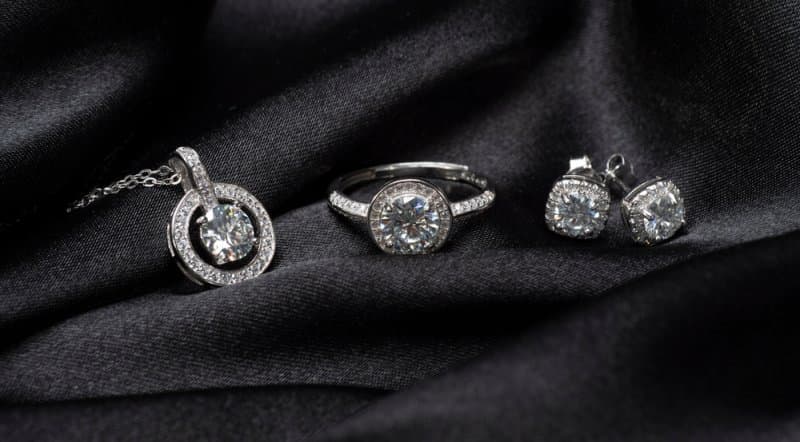
Ask any jeweler for the best non-diamond stones for engagement rings, and moissanite usually comes up first. It looks a lot like a diamond but throws more rainbow flash. It scores 9.25 on the Mohs scale. Nearly all of it is lab-made these days. It costs far less than a diamond. Not everyone loves the extra sparkle, so view one in person.
2. Sapphire
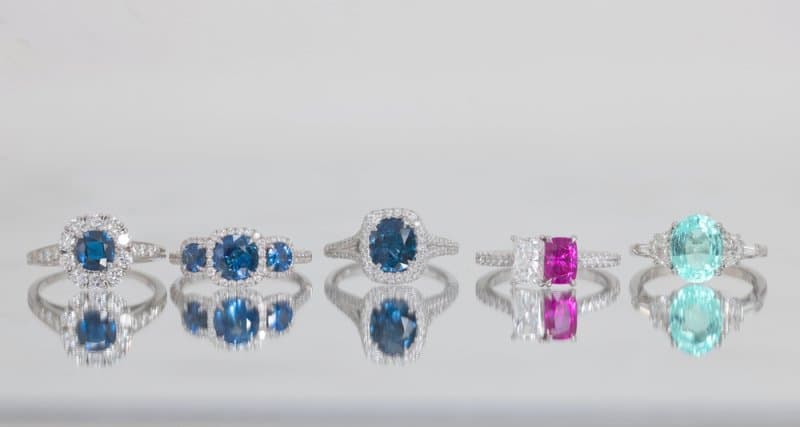
Most people think sapphire means blue, but it also comes in pink, yellow, green, and soft peach. It scores 9 on the Mohs scale, so daily wear won't faze it. Royal blue is still the crowd favorite, thanks in part to some very famous royal rings. Most sapphires are heat treated, which is normal, so ask the seller to confirm it.
3. Ruby
Ruby is technically red sapphire, and every bit as tough at 9 on the Mohs scale. It'll handle years of dishes, door handles, and gym bags. The catch is price. Good natural rubies can cost more than diamonds. Lab-created rubies give you that same deep red for far less. When you shop, look for strong, even color without obvious cracks running through it.
4. Spinel
Spinel flies under the radar, which is a shame. It scores 8 on the Mohs scale and comes in vivid red, pink, blue, and lavender. A few famous "rubies" in old European crown jewels turned out to be spinels. It costs less than ruby or sapphire, though demand is climbing. If you like finding what others overlook, spinel is your stone.
Must Try: How to Know If You're Ready for Marriage? 15 Signs to Check
Are Colored Gemstone Engagement Rings Right for You?
Colored gemstone engagement rings feel warm and personal, a little less expected than a clear white stone. The three below bring real color and decent toughness. They rate roughly 7.5 to 8 on the Mohs scale, fine for daily wear if you're sensible. A bezel or low prong setting helps a lot. Take the ring off before scrubbing or lifting weights.
1. Aquamarine
Aquamarine looks like a clear day at the beach, pale and calm. It pairs well with white gold and platinum. At 7.5 to 8 on the Mohs scale, it's a sturdy everyday option. You can find big, clean stones for less than a similar sapphire would cost. It's also the March birthstone, so it makes a sweet gift for spring proposals.
2. Morganite
Morganite is all peach, rose, and soft pink. Set it in rose gold and the whole ring glows, which is why vintage-style designs love it. It rates 7.5 to 8 on the Mohs scale. Big, clean stones are easy to find, so you get lots of presence for the money. Add a halo for extra sparkle, and choose a setting that shields the edges.
3. Emerald
Emerald is deep, lush green, hard to forget. On paper it rates 7.5 to 8, but natural inclusions make it brittle, so one sharp knock can chip it. Go for an emerald cut in a bezel setting. Many buyers happily accept small inclusions as part of the stone's character. And skip the ultrasonic cleaner. Mild soap and warm water do the job.
Which Unique Stones Fit a Smaller Budget?
Want unique gemstone engagement rings without the sticker shock? You've got choices. Some of the best unique stones for alternative engagement rings cost far less than you'd guess. These three are affordable alternative stones for engagement rings, and each one has plenty of personality. Nobody needs to know how little you spent. Just know that softer stones ask for a gentler lifestyle.
1. Tanzanite
Tanzanite flips between blue and violet depending on the light, so no two moments look alike. It comes from one small mining area in Tanzania, which adds to the charm. But it rates only 6.5 to 7 on the Mohs scale, so go easy on it. A bezel setting is best. This one suits careful wearers more than people with hands-on jobs.
2. Garnet
Garnet is more than that dark red birthstone you're picturing. It also shows up in orange, green, and pink. Rhodolite and spessartite garnets sit around 7 to 7.5 on the Mohs scale, good enough for careful daily wear. Common types cost very little, which makes garnet one of the best affordable engagement ring stones if the wedding is eating most of your funds.
3. Topaz
Topaz gives you plenty of sparkle for little money. It rates 8 on the Mohs scale, but it can split along one direction if hit hard, so pick a protective setting. Blue topaz is the popular one. Imperial topaz, in warm peach and pink, costs more. Handle it gently, and it'll look great. Honestly, it's a cheerful stone for a first ring.
How do You Choose the Right Stone?
The best alternative stones for engagement rings depend on how you live, not just what looks pretty. Ask yourself a few questions:
- Do I work with my hands?
- Does my partner love bold color?
- What can I comfortably spend?
- Will I wear it every day?
Your answers narrow things fast. Then buy alternative gemstones for engagement rings from a jeweler who provides certificates.
How Should You Care for an Alternative Engagement Ring?
Softer stones need softer habits. Wash your ring in warm water with mild soap and a soft brush. Skip harsh chemicals, and keep emerald and tanzanite away from ultrasonic cleaners. Store it in a padded pouch, apart from other jewelry. If you're packing for a destination wedding, put the ring in your carry-on, never checked luggage. Have a jeweler check the prongs yearly.
Conclusion
Honestly, there's no single right answer. The best ring fits your life, your budget, and the person who'll wear it. A tough moissanite, a deep ruby, or a soft pink morganite can all be perfect. Check the hardness, ask for a certificate, and see the stone in person if you can. Then trust your gut. You'll know when you find it.
Frequently Asked Questions
What is the most durable alternative to a diamond?
Moissanite is the hardest, scoring 9.25 on the Mohs scale. Sapphire and ruby come right behind at 9. All three resist scratches well and handle everyday wear, so they suit busy, active lifestyles.
Are non-diamond engagement rings worth it?
Yes, if color, personality, and savings matter to you. A well-chosen stone can last for decades of daily wear. Just check the hardness, ask for a lab certificate, and match the setting to the stone.
Which alternative stones cost the least?
Garnet, topaz, and lab-created moissanite usually cost the least. Price climbs with size, color strength, and clarity, so compare a few stones in person. Natural emerald and ruby sit at the high end.
Can you wear a tanzanite ring every day?
You can, but it's a gamble. Tanzanite rates only 6.5 to 7 on the Mohs scale, so it scratches and chips more easily. Choose a bezel setting and take the ring off for rough tasks.
How can you tell a stone is real?
Always ask for a certificate from a trusted lab, such as GIA or IGI, and buy from a respected jeweler. Honest sellers disclose treatments and clearly label lab-created stones from natural ones.
This content was created by AI