Which is Right for You, Vintage vs Modern Engagement Rings?

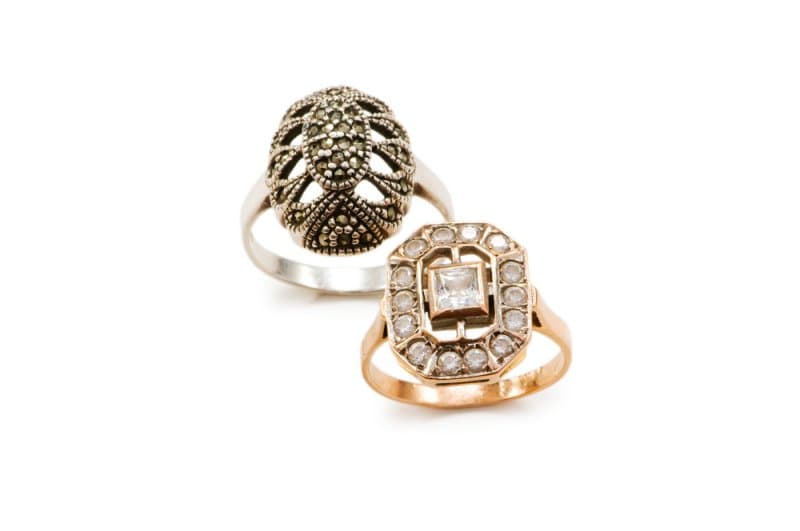
Key Takeaways
- Vintage rings carry history and handmade detail, so no two feel quite alike. Modern rings trade that for clean lines and easy daily wear.
- Old cuts glow soft and warm, while modern round brilliants flash brighter.
- Age doesn’t set the price. Rarity, stone quality, and metal do.
- Can’t pick? A hybrid ring borrows vintage charm and modern strength.
Here’s the thing about engagement rings. You’ll look at yours thousands of times, probably for decades, so the style matters more than the sticker. Let’s sort out how the two really differ, so you can stop second-guessing and shop with a clear head.
What are Vintage vs Modern Engagement Rings?
Vintage rings come from another era, or they’re made today to look like they did. Most jewelers say vintage starts around the 20-year mark, and antique starts at 100. Modern rings follow current taste, with sharp cuts, simple lines, and metals built for real life. One isn’t smarter than the other. They just feel different on the hand.
Vintage vs Modern Engagement Ring Differences at a Glance
The vintage vs modern engagement ring differences show up fast once you line them up. Vintage leans decorative and handmade. Modern leans sleek and precisely engineered. The table below covers what most shoppers care about, and you can skim it in about ten seconds.
| Feature | Vintage | Modern |
| Look | Ornate, romantic | Clean, minimal |
| Diamond cut | Old mine, old European | Round brilliant, fancy cuts |
| Setting detail | Milgrain, filigree | Simple prong or bezel |
| Resizing | Can be tricky | Usually easy |
| Choice | Limited, one of a kind | Wide and customizable |
Vintage Engagement Ring Styles Worth Knowing
Vintage engagement ring styles usually come from a handful of design eras, and each has its own mood. Learning the names helps a lot when you’re talking to a jeweler, especially if all you know is that you like that old look. Two groups come up constantly.
Victorian and Edwardian Charm
Victorian rings (1837 to 1901) are all romance, with yellow gold, rose-cut diamonds, flowers, and hearts. Edwardian rings (1901 to 1910) feel lighter and airier, thanks to platinum and lacy filigree. If you want something soft and a little dreamy, start here.
Art Deco Geometry
Art Deco rings (1920 to 1940) ditch the curves for bold geometry. Picture strict symmetry, sharp angles, and colored stones sitting beside the diamond. Plenty of new vintage-inspired rings borrow this look, so you don’t have to hunt down an original to get it.
Modern Engagement Ring Styles That Feel Fresh
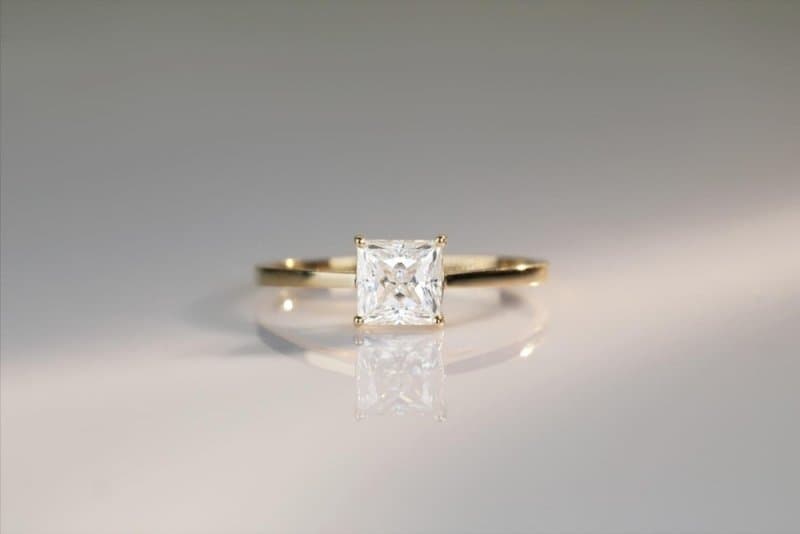
Modern engagement ring styles let the diamond take center stage. Think classic solitaires, hidden halos, east-west ovals, and bezel settings. The outlines stay clean, which works well if you type all day, cook a lot, or just like a quiet look. Curious about more? These popular engagement ring styles and their meanings are worth a look.
How do Vintage vs Modern Diamond Cuts Compare?
Vintage vs modern diamond cuts really comes down to hand versus machine. Old mine and old European stones were faceted by hand, so the tables run small and the crowns run tall. You get a soft, candlelit glow. Modern round brilliants are engineered to bounce back as much light as possible, so they flash brighter. This diamond cut guide goes deeper.
What Sets Vintage vs Modern Ring Settings Apart?
Vintage vs modern ring settings differ in how they look and how they’re built. Older settings often have milgrain beading, filigree, and hand engraving. Modern settings keep it simple with plain prongs, bezels, or cathedral shoulders that guard the stone. Resizing is usually easier on a modern band, while a fussy antique may need a specialist.
Are Vintage vs Modern Engagement Ring Prices Very Different?
Vintage vs modern engagement ring prices overlap more than you’d think. A truly antique ring can cost more if it’s rare or beautifully preserved. A new vintage-inspired ring can fit almost any budget. Modern rings cover the whole range too, and a lab-grown diamond can trim the bill. Honestly, the diamond itself usually moves the price most.
Vintage vs Modern Engagement Rings Pros and Cons
Every style has trade-offs, so here’s the quick version.
- Vintage pros: one-of-a-kind design, real history, handmade detail, and sometimes rising value because of rarity.
- Vintage cons: thinner prongs, repairs that need a specialist, and a smaller pool of sizes and stones.
- Modern pros: sturdy settings, easy customizing, plenty of choice, and simple resizing.
- Modern cons: less unique, and it can look plain beside an ornate design.
Which Is Better: Vintage or Modern Engagement Rings?
Honestly, it depends on the person wearing it. Check their jewelry box first. Lots of ornate, layered pieces? Go vintage. Mostly clean and simple? Go modern. Then think about daily life, because hands-on jobs do better with a sturdy modern setting. Still torn? A modern diamond with milgrain edges is a lovely middle path.
Conclusion
Vintage rings offer romance and rarity. Modern rings offer comfort and precision. Both can last a lifetime if you look after them. Try a few on, ask how the setting has held up, and notice which one you keep glancing at. That’s your ring.
Frequently Asked Questions
What’s the difference between vintage and modern engagement rings?
Vintage rings either come from a past era, like Victorian or Art Deco, or are made to look like they did. You’ll see handcrafted details and older diamond cuts that have a softer, glowier look. Modern rings go the other way: clean lines, precisely cut stones, and settings designed to handle everyday life.
Are vintage engagement rings more durable than modern ones?
Not always. Modern settings are built to be worn every day, while an antique ring may have thinner prongs or a shank that’s worn down over the decades. A well-cared-for vintage piece can absolutely last, but it needs a professional check-up now and then to stay secure.
Are vintage engagement rings more expensive than modern ones?
Not necessarily. Truly rare antique pieces can cost a lot, but vintage-inspired designs fit almost any budget. Modern rings span the same range, too. In both cases, the diamond’s quality, the metal, and the size usually move the price more than the style does.
Can you mix vintage and modern elements in one ring?
Yes, and plenty of couples do. A common pairing is a modern diamond cut with vintage touches like milgrain edges or hand engraving. A good custom jeweler can balance the two so you get the charm of an older design with the strength of modern construction.
Do vintage engagement rings need more upkeep?
Usually, yes. Delicate filigree can trap dirt, and older prongs wear down over time. Plan on a professional cleaning and inspection once or twice a year, and ask about the ring’s repair history before you buy.
How do I know which style suits me better?
Start with how you live and what you already wear. If you like minimalist jewelry and work with your hands, a modern setting will likely feel more comfortable and carefree. If you’re drawn to ornate details, a story behind your jewelry, or something nobody else has, vintage may be the better match. Trying on both styles in person is the quickest way to find out which one feels like you.
What should I check before buying a vintage engagement ring?
Look closely at the prongs, the band, and the stone’s setting for wear or damage, and ask for a written appraisal from an independent gemologist. Find out whether the ring has been resized or repaired and whether the stone is original. Also confirm the seller’s return policy, so you have some protection if a jeweler spots a problem later.
This content was created by AI