Welcome Party vs Rehearsal Dinner, Which Is Right for You?

Key Takeaways
- A welcome party is a friendly mixer for lots of guests, while a rehearsal dinner is smaller and more formal.
- You’ll usually hold the rehearsal dinner right after the ceremony practice, while the welcome party comes once guests have landed.
- Welcome party vs. rehearsal dinner costs come down to guest count, venue, menu style, and how many extras you add.
- Good rehearsal dinner etiquette means inviting your wedding party, close family, and anyone who has a role in the ceremony.
- Nothing says you must host both, so pick one or blend them if your budget and schedule feel tight.
Wedding weekends tend to grow, and two events that often make the list are the welcome party and rehearsal dinner. The Welcome Party vs. Rehearsal Dinner question trips up many couples because both events gather loved ones beforehand.
So what actually separates them, and which one deserves a spot on your schedule and in your budget? Let’s walk through the details, compare guest lists and costs, and help you land on the right choice.
What is a Wedding Welcome Party?
A wedding welcome party is a relaxed get-together that greets guests soon after they arrive, especially those who traveled far. Most couples host it the evening before the wedding, though some pick a day or two earlier. Picture light bites, a few drinks, some games, and lots of mingling with no speeches or strict schedule.
What is a Rehearsal Dinner?
A rehearsal dinner is a smaller, warmer meal held after the ceremony run-through, usually on the night before the wedding. Close family and the wedding party get a calm evening to eat, unwind, and swap a few heartfelt toasts. The groom’s family traditionally hosted it, but these days couples or both families often share the hosting duties.
What is the Difference Between a Welcome Party and Rehearsal Dinner?
Honestly, the biggest difference is size, structure, and purpose, because each event serves a different circle of guests. Below are the welcome party vs rehearsal dinner differences that matter most when you’re building your weekend schedule. Knowing them early saves you from overlapping plans, wasted money, and awkward guest list conversations down the road.
Timing and Purpose
The welcome party kicks off once guests arrive, and its job is to make everyone feel included and excited. The rehearsal dinner comes after the ceremony practice, and its job is to thank the people who keep things running. One welcomes the whole crowd, while the other honors the small team standing beside you at the altar.
Atmosphere and Activities
Expect a playful, social vibe at a welcome party, with games, music, or themed touches that match your destination. A rehearsal dinner feels cozier, with a seated meal, personal decor, and heartfelt speeches from the people you love. Think about the mood you want guests to remember, because it shapes every venue and menu decision you’ll make.
Food, Drinks, and Toasts
Welcome parties usually lean on appetizers, food stations, or casual bites, since guests may show up hungry after traveling. Rehearsal dinners often feature a seated menu or formal buffet, followed by toasts from parents, siblings, and close friends. A quick welcome toast works at either event, but longer speeches really belong at the rehearsal dinner.
Who Should Be Invited to a Welcome Party vs. Rehearsal Dinner?
Your guest list is where these two events split apart most clearly, and it hits your budget right away. Decide who belongs at each event before you send invitations or post any plans on social media. A clear list also protects feelings, because fuzzy invitations often cause unnecessary hurt among close relatives and friends.
Welcome Party Guest List
A wedding welcome party usually includes every out-of-town guest, plus nearby friends and family who want to join. Some couples invite the whole guest list, which works nicely for smaller weddings with a friendly, easygoing crowd. Others stick to travelers only, which keeps costs down and the evening relaxed and easy to manage.
Rehearsal Dinner Guest List
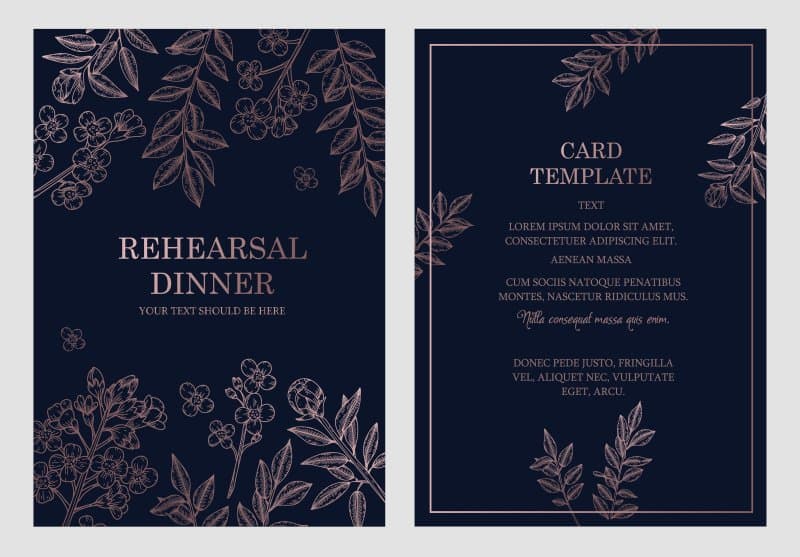
A rehearsal dinner usually covers the couple, parents, siblings, grandparents, and every member of the wedding party. Partners of the wedding party, the officiant, and readers often get invitations too, so everyone feels appreciated. A smaller list makes the night feel more personal and helps you keep the budget under control.
Welcome Party vs. Rehearsal Dinner Cost
Cost often settles the debate, so look at what each event might require before you commit to either one.
- A welcome party tends to cost more because it hosts more people and may need staff, rentals, and permits.
- A rehearsal dinner is usually the cheaper event, since a shorter list and a fixed menu trim spending quickly.
- Venue, food style, bar service, and headcount shape both budgets far more than the event name ever will.
- A backyard barbecue or a private restaurant room can keep either event affordable without losing any charm.
Rehearsal Dinner Etiquette Made Simple
Good rehearsal dinner etiquette keeps the evening warm and organized, and it spares you plenty of stress.
A few simple habits make guests feel appreciated and prevent last-minute confusion before the wedding even begins.
- Send invitations four to six weeks ahead so family members can plan travel, time off, and outfits.
- Invite the whole wedding party and their partners too, so nobody feels left out of the celebration.
- Decide early who’s hosting, since tradition gave the groom’s family that role, but modern couples choose freely.
- Plan toasts ahead of time, set a time limit, and thank everyone who helped shape your wedding journey.
Should You Have a Welcome Party or Rehearsal Dinner?
The honest answer depends on your guest count, travel plans, budget, and the atmosphere you want before the wedding. Use the quick guide below to match each event with your style, your budget, and your personal priorities. Neither option is wrong, because the best choice is simply the one that suits your people and plans.
When a Welcome Party Makes Sense?
A welcome party suits couples with many out-of-town guests who need an easy way to meet each other. It also shines at destination weddings, where guests arrive early and want something fun to do right away. Pick this route if you want a relaxed, inclusive start without formal speeches or a strict schedule.
Guests also love small extras, so explore these wedding welcome bag ideas to make arrivals feel special.
When a Rehearsal Dinner Makes Sense?
A rehearsal dinner suits couples with a smaller circle who want a quiet evening with their closest people. It also helps when your ceremony has several moving parts, because everyone gets to practice their role beforehand. Pick this route if you value heartfelt toasts, family time, and a calm night before the ceremony.
Can You Have a Welcome Party Instead of a Rehearsal Dinner?
Yes, you can skip the rehearsal dinner and host only a welcome party, because no rule requires both events. This works best when the ceremony is simple, and a short walkthrough can happen earlier that same day. Just remember to thank your parents and wedding party another way, such as a heartfelt toast during the party.
Do You Need Both a Welcome Party and Rehearsal Dinner?
No, you don’t need both, but hosting both can make for a wonderful and relaxed wedding weekend. The decision usually depends on your guest count, your budget, and how long guests will stay in town.
If your celebration is small, read this guide on big wedding vs. small wedding choices to plan with confidence. Hosting both is ideal for larger weekends, while one blended event suits tighter budgets and busy schedules.
Welcome Party vs. Rehearsal Dinner Differences at a Glance
Use this quick summary to compare both events side by side before you finalize your wedding weekend plans.
- Timing is the easy one, since a welcome party follows arrivals and a rehearsal dinner follows the ceremony rehearsal.
- Guest lists differ too, with the welcome party staying broad and inclusive and the rehearsal dinner staying small and personal.
- Mood matters as well, because the welcome party feels lively and informal while the rehearsal dinner feels intimate and traditional.
- Budget usually follows the crowd, so the welcome party often costs more and the rehearsal dinner often costs less.
Conclusion
Choosing between a welcome party and a rehearsal dinner gets easier once you understand each event’s goal. Go with the welcome party for a lively, inclusive greeting, or choose the rehearsal dinner for an intimate thank-you evening. Whatever you decide, keep your guest list, budget, and schedule in mind, and enjoy the people you love.
Frequently Asked Questions
What is the main difference between a welcome party and a rehearsal dinner?
A welcome party greets all arriving guests in a relaxed setting, while a rehearsal dinner feels smaller. The party happens after guests arrive, while the dinner follows ceremony practice and honors your closest people.
Is a welcome party more expensive than a rehearsal dinner?
A welcome party often costs more because it hosts more guests and needs food, staff, and rentals. However, a casual backyard setup can cost less than a formal rehearsal dinner at an upscale restaurant.
Who pays for the rehearsal dinner?
Tradition says the groom’s family hosts the rehearsal dinner, but many couples and families share the cost. Talk openly with both families early, so everyone clearly understands the budget and expectations before planning begins.
Can you combine a welcome party and a rehearsal dinner?
Yes, you can combine both events into one dinner when the guest list is small and manageable. Keep the menu simple, add a few toasts, and include casual activities so out-of-town guests feel truly welcome.
Should everyone at these events also be invited to the wedding?
Yes, anyone invited to the rehearsal dinner should also receive a wedding invitation to avoid hurt feelings. Likewise, out-of-town guests attending a welcome party usually belong on the main wedding guest list as well.
This content was created by AI