Wedding Seating Chart Ideas for a Smooth and Happy Day

Key Takeaways
- Match people up by their interests, connections, and who they’ll actually get along with.
- Decide on assigned seating or open seating early on.
- Be smart about pairing tables if there’s any family drama.
- Keep the seating chart simple and clear so everyone understands it.
- Always expect last-minute changes — save some extra space just in case.
A smart wedding seating chart brings order to your reception without sucking the fun out of it. The whole point is for guests to feel at ease, find their tables quickly, and genuinely enjoy the company around them. But pulling it off isn’t always easy. Between honouring old family traditions, making sure friends stick together, accounting for special diets, working within the venue’s limits, and handling those sometimes awkward relationships, it’s a real puzzle.
Getting the seating chart right means more than just putting names in chairs. It smooths out the reception — there’s less chaos at the door, everything runs on time, and the couple can actually relax and enjoy themselves. In this post, you’ll find ideas for creating a seating chart, table arrangements, etiquette, and real-world tips for arranging guests with less fuss.
Wedding Seating Chart Ideas That Make Guests Feel Comfortable
The best wedding seating chart ideas start with the guest list and venue layout, not the decorations.
Wedding Seating Plan Based on Guest Relationships
A practical wedding seating plan groups people who have something in common, without putting every guest into a fixed social category. Close friends might enjoy one table, while relatives who rarely meet may appreciate being seated beside friendly, outgoing guests who can bring them into conversation.
Don’t just assume couples need to sit with other couples or that all the twenty-somethings will hit it off. It’s smarter to think about who shares hobbies, how they get along with family, and whether they’ll have anyone to talk to.
For instance, if your cousin loves hiking, she’ll probably have more fun with your outdoorsy friends than cousins she barely knows.
Wedding Table Arrangement Ideas for Different Venues
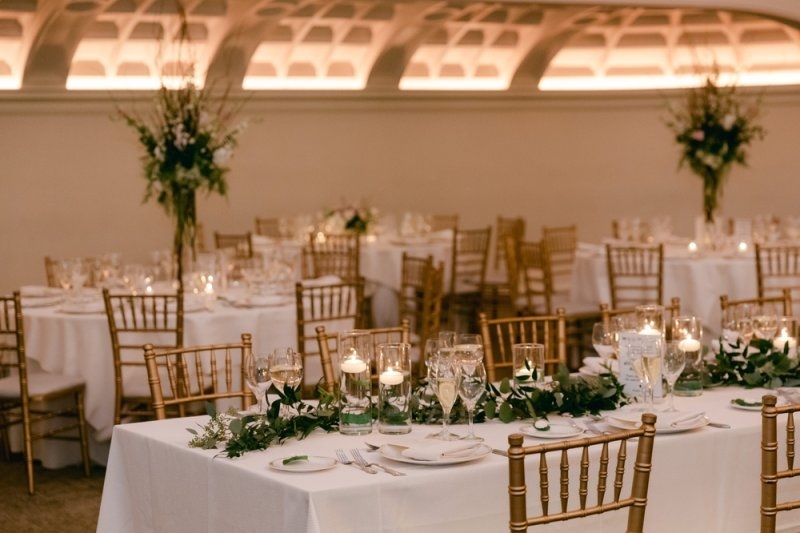
When you’re mapping out wedding tables, look at the room itself, how many people you’ve got, and how easy it’ll be for folks to walk around. Round tables are great for conversation. Long banquet tables make everything feel more casual and communal. You can even mix and match, but only if there’s room to pull it off.
- Round tables work when you want balanced groups where everyone can chat.
- Long tables are perfect for passing dishes and a laid-back vibe.
- U-shaped layouts let smaller groups face each other, which adds a cosy touch.
- Mixing styles can help if your venue has smaller nooks or you're blending friend groups.
As you plan, double-check that guests can easily get to the exits, restrooms, dance floor, and any accessible paths. Don’t leave anyone boxed in.
Don't Miss: 7 Special & Creative Engagement Announcement Ideas to Share
Assigned Seating vs Open Seating for Your Reception
Assigned seating and open seating change the mood of your wedding.
| Feature | Assigned seating | Open seating |
|---|---|---|
| Guest choice | Seats or tables are allocated. | Guests choose available seats. |
| Planning effort | Higher before the event | Lower in advance |
| Guest arrival | Clear directions are needed. | Guests need to find suitable places. |
| Family dynamics | Easier to manage carefully | Groups may separate or compete for seats. |
| Meal service | Helps communicate meal choices | May require extra coordination |
| Best suited for | Formal dinners and larger weddings | Casual receptions and flexible gatherings |
Assigning seats means you get to control where everyone lands—super helpful if there are food allergies or family drama. Open seating is more relaxed but can leave shyer guests wandering for a spot.
If you’re throwing a big wedding with a plated meal, assigned seating usually keeps things smoother. If it’s just an intimate cocktail party, open seating is fine.
Wedding Seating Chart Etiquette for Families and Friends
The main thing is to keep guests comfortable and avoid awkward moments.
Handling Family Groups and Sensitive Relationships
If you’ve got divorced relatives, don’t seat them together just because they share a last name. If you know two people don’t get along, put them at different tables with people they actually like. No one needs to know your reasoning.
Family members—parents, grandparents—sometimes expect prime seating, but there’s no strict rule. You can pick a sweetheart table, a family table, or mix things up. Go with what feels right.
You want people to feel comfortable, not boxed in by rules or forced symmetry.
Wedding Seating Chart Ideas for Solo Guests and Children
Think about guests who might feel out of place. If someone’s coming solo, seat them with outgoing friends or welcoming family, not a table full of strangers. If you’re not sure, just ask them quietly.
With kids, decide if they’ll stay with parents or at their own table. Little ones do better with parents; older kids often love being with cousins or friends. Remember to leave room for high chairs and strollers.
Suggested Reading: Engagement Party vs Bridal Shower: Difference in Preparation
How to Create a Wedding Seating Chart Without Last-Minute Stress
Making a wedding seating chart is less overwhelming if you do it step by step, not all in one go.
Wedding Seating Plan Steps That Keep Things Organised
Start when you have your guest list confirmed. Use a spreadsheet or seating app to keep track. Forget about centrepieces and decor at first—focus on the people.
Get your RSVPs in, set table sizes by what the venue allows, group guests based on family, friendships, and shared interests, note dietary or mobility needs, and make sure no one’s stuck alone or packed in too tightly. Once you’re set, match names to tables and double-check the spelling.
Stay flexible until the last possible moment—someone always cancels last minute or brings a surprise plus one.
Wedding Table Arrangement Ideas for Easy Movement
Arrange tables so people can move easily between areas, without squeezing or taking the long way around. Make sure older guests or those with mobility issues aren’t stuck at the far end of a room or up a bunch of stairs.
Don’t forget about the music and entertainment. People who want to chat will be grateful if they’re away from the speakers, while party animals can sit closer to the dance floor. These details matter way more than fancy centrepieces.
Wedding Seating Chart Ideas for a Clear and Attractive Display
Your seating chart should be impossible to miss, easy to read, and should fit the vibe of your wedding.
Wedding Seating Chart Formats and Display Options
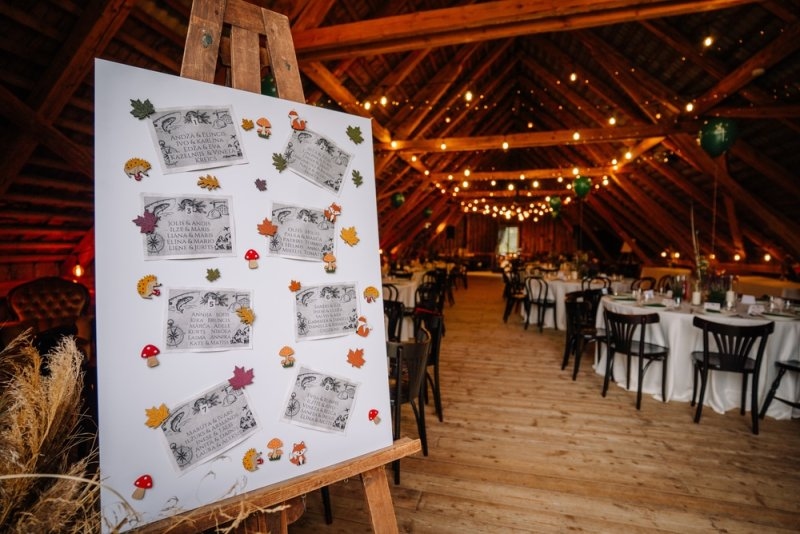
| Format | Best use | Practical consideration |
|---|---|---|
| Alphabetical guest list | Large weddings | Guests find their names quickly. |
| Table-by-table list | Small or medium weddings | Groups are easy to view together. |
| Individual escort cards | Formal receptions | Requires more setup and table space |
| Digital seating display | Tech-friendly venues | Have a backup if devices fail. |
Use bold letters, good contrast, and clear table numbers—don’t let your guests get lost squinting at curly fonts. Have someone on hand to help during arrivals. Nobody wants a traffic jam by the chart, especially when everyone’s eager to find their seat.
Also Read: Full Wedding Vendor Checklist: Who to Hire, When to Book?
Conclusion
When you put real care into your seating plan, people pick up on it. Even if they don’t see your hard work, they sense that things just flow. So start with the relationships that matter, look closely at the layout of the room, and pick between assigned or open seating based on what fits your vibe. Handle sticky family situations quietly, give guests space to move around, and make sure your final chart is easy for anyone to read.
Most important of all: don’t get so obsessed with the look of the chart that you forget about your guests’ comfort. The best wedding seating chart is practical, flexible, and makes everyone feel welcome. If people find their seats without any drama, that’s a win — more time for celebrating, less time wandering.
Frequently Asked Questions
When Should You Finalise Your Wedding Seating Chart?
Start putting together a draft as soon as you have RSVPs coming in. But wait to lock it in until after your deadline and the venue’s confirmation. Make sure to check with your caterer about when they need final seating and headcounts.
Should the Bride and Groom Sit with Their Parents?
There’s no rule here. Some couples sit with their parents, others with their friends or wedding party, and plenty go for a sweetheart table for just the two of them. It all depends on what’s comfortable for you and your families.
How to Handle Late RSVP Changes?
If someone changes their RSVP at the last minute, talk to your venue or planner before moving anyone around. If there’s room, just fit them in where it makes sense and update the meal orders. No need to redo the whole chart.
Should Your Seating Chart List Meal Choices?
It’s a good idea, especially for plated dinners where guests pick their entrée. Use simple symbols or escort cards so servers know who gets what, but don’t broadcast anyone’s private dietary info.
How Many People Fit at a Wedding Table?
Check with your venue about table sizes instead of guessing by sight. A standard round table usually fits eight to ten people comfortably, but always think about the actual space and how guests will feel sitting together.
This content was created by AI