Which Is Better, Cushion Cut vs Princess Cut Diamond Ring?

Key Takeaways
- Princess cuts have sharp corners and a crisp, bright sparkle that feels modern.
- Cushion cuts have soft, rounded corners and a warm, romantic glow.
- Rounded corners make cushion stones a bit more forgiving day to day.
- Princess cuts often look bigger from above, while cushion cuts swing more.
- Your style, routine, and budget should make the final call.
Picking an engagement ring stone should be pure fun, but the shape question can quickly turn into a headache. Take the cushion-cut vs. princess-cut diamond debate. Both look square from a distance, so it's easy to assume they're basically twins. They're not. Up close, the corners, the sparkle, and the price tags tell very different stories. Here's a plain-English breakdown so you can shop without second-guessing every choice.
What Is a Cushion Cut Diamond?
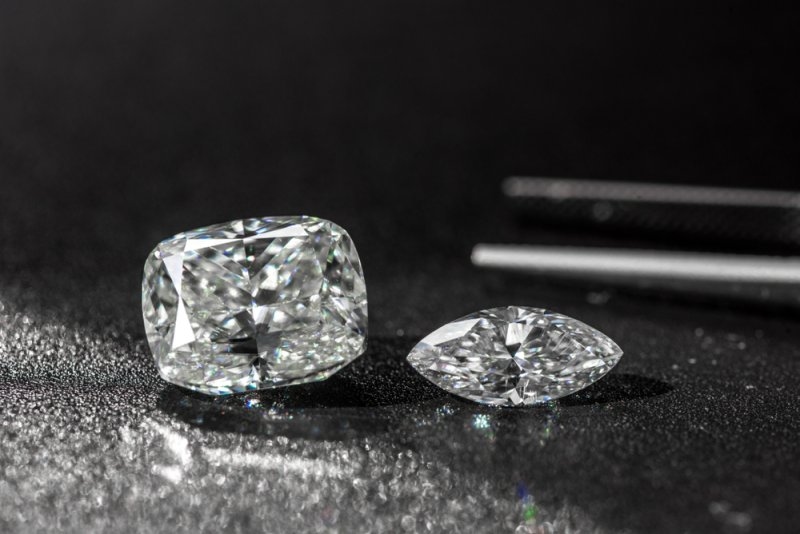
Picture a small pillow with a square or slightly rectangular outline and soft, rounded corners. That's a cushion-cut diamond. The shape has been around since the 1700s, which is why it feels so classic and a little vintage. Cushions come in brilliant and modified brilliant facet patterns, so the sparkle can look bold and lively or softer and dreamier.
Must Read: Most Popular Engagement Ring Styles and Their Meanings
What Is a Princess Cut Diamond?
A princess cut diamond is square or slightly rectangular, with sharp, pointed corners and straight edges. It's a much younger shape, developed in the 1960s. Think clean lines and a bold, geometric look. The facets are arranged in a brilliant style, so you get bright, lively flashes of light every time the stone catches the sun.
What Is the Difference Between a Cushion Cut and a Princess Cut Diamond?
The biggest difference is the outline. Princess cuts have sharp corners, while cushion cuts have soft, rounded ones. That one detail ripples into everything else, from sparkle and durability to how big the stone looks and which settings suit it best. Here's a quick side-by-side look.
| Feature | Cushion Cut | Princess Cut |
| Corners | Soft and rounded | Sharp and pointed |
| Sparkle | Bold to soft glow | Crisp, bright flashes |
| Durability | More forgiving corners | Needs a protective setting |
| Face-up size | Can look smaller | Often looks larger |
| Popular settings | Halo, pave, vintage | Solitaire, bezel, channel |
Cushion Cut vs Princess Cut Diamond Sparkle Comparison
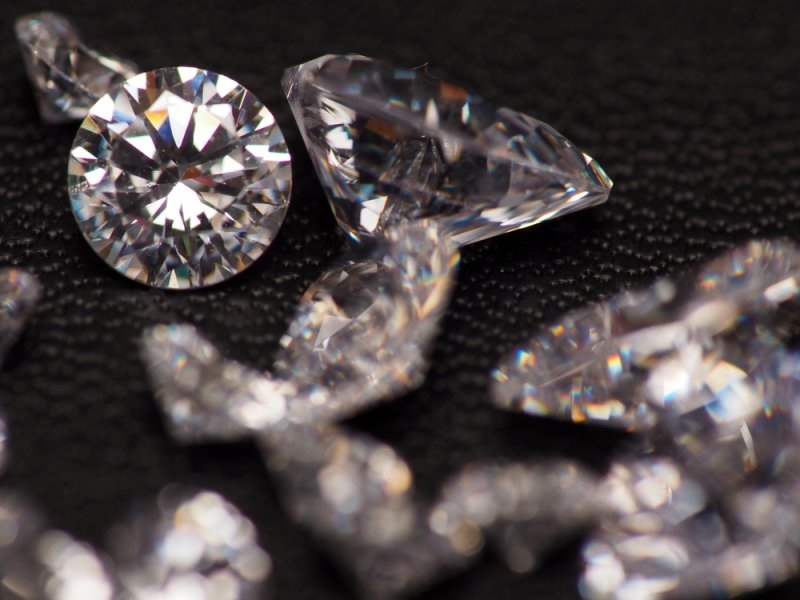
Princess cuts throw bright, crisp flashes with strong contrast, and that sparkle looks pretty consistent from one stone to the next. Cushion cuts are more of a mixed bag. Square ones often sparkle boldly, while elongated ones can look softer, almost like crushed ice. Facet style changes everything here, so look at several stones in person before you decide which sparkle you love.
Top Pick: In-Depth Guide to Diamond Cut
Cushion Cut vs Princess Cut Diamond Appearance
Princess cuts spread more weight across the top, so they often look larger from above at the same carat weight. Cushion cuts can hide extra weight in their depth, so they can look a touch smaller unless they're elongated. So which one looks more like you? A bold, geometric square, or a soft, vintage-style pillow on your finger?
Cushion Cut vs Princess Cut Diamond Durability
Diamonds score a perfect 10 on the Mohs scale, so scratches are rare. Sharp corners are another story, because they can still chip if they take a hard knock. Princess cut corners are pointed, so a V-prong or a bezel setting is a smart move. Rounded cushion corners spread impact more evenly, which makes them the more forgiving pick for busy hands.
Cushion Cut vs Princess Cut Diamond Price Comparison
Good news first. Both shapes usually cost less than round diamonds, so you get more stone for your money. Rounds carry higher premiums because they're so popular and more rough material gets lost when they're cut. Now let's see how these two fancy shapes stack up at the same carat and quality.
1. Princess Cut Pricing
Princess cuts usually have steady pricing and a competitive cost per carat, so comparing stones feels simple. One 2026 retailer comparison of one-carat, VS1, excellent-cut stones with top-colour listed princess cuts at roughly $3,100 to $4,500. That makes budgeting easier.
2. Cushion Cut Pricing
Cushion prices swing more widely because proportions, facet style, and outline all change what a stone costs. The same comparison showed cushions from $2,400 to $4,300. Patient shoppers can uncover some real bargains here. Just be ready to spend a little more time comparing stones side by side.
3. Grading Reports Matter
Here's the catch. Colour, clarity, and cut quality shape the final price of a diamond far more than the shape name alone. Always compare grading reports side by side, and set a firm budget before you fall in love with any stone.
Cushion Cut vs Princess Cut Diamond for Engagement Ring
Both cuts work beautifully for engagement rings, but each has settings where it truly shines. Princess cuts look great in solitaire, channel, and bezel designs. Cushion cuts love halo, pavé, and vintage-inspired settings. Pair your stone with the right setting, and the whole ring looks balanced and finished.
Cushion Cut vs Princess Cut Diamond: Which Is Better?
Honestly, neither shape wins every time. The better stone is the one that fits your taste and your daily routine. Love clean lines, bold flashes, and a sleek modern ring? Go, princess. Prefer a soft, romantic glow and a sturdier feel on your hand? Go cushion.
How to Choose Between a Cushion Cut and a Princess Cut Diamond?
Start with how you actually live, then match the shape to your style, sparkle preference, and budget. Three quick checks make the decision much easier. Take your time with each one, because this ring will sit on a hand every single day.
1. Match Your Style
If you love clean lines and a modern edge, a princess cut gives you bold, geometric style and crisp flashes. If you adore soft curves and vintage charm, a cushion cut brings a romantic, pillow-like glow and gentle corners too. Simple as that.
2. Check Your Lifestyle
If your hands stay busy with work, sports, or travel, a cushion cut offers more protection through forgiving rounded corners. A princess cut still works very well when you choose protective settings such as V-prongs or a full bezel. It just needs a bit more thought.
3. Set Your Budget
Decide your maximum spend first, then compare certified stones in both shapes at the same carat weight and overall quality. Ask to see both diamonds in person, because lighting and facet patterns change how each stone really looks on you. Photos only tell half the story.
Conclusion
Both shapes are gorgeous, but they set very different moods. Princess cuts bring crisp, modern sparkle, while cushion cuts bring soft romance and gentler corners for everyday life. Compare certified stones in person, set a firm budget, and go with the ring that makes you smile first.
FAQs on Cushion Cut vs Princess Cut Diamond
Which cut looks bigger, cushion or princess?
Princess cuts usually look bigger from above because they spread more weight across the surface. Cushion cuts carry more weight in depth, so they can look slightly smaller unless the outline is elongated.
Are princess-cut diamonds more likely to chip than cushion cuts?
Yes, princess corners are sharp and more exposed, so a hard knock can chip them. V-prongs or a bezel setting help a lot, while rounded cushion corners generally handle everyday wear better.
Is a cushion cut cheaper than a princess cut?
Not always. Cushion prices vary widely with proportions and facet style, so some stones cost less than princess cuts, while others cost about the same. Compare certified stones side by side within your budget.
Which sparkles more, a cushion cut or a princess cut?
Princess cuts usually give crisp, bright flashes, while cushion cuts range from bold sparkle to a softer, crushed ice glow. Your taste and the stone's exact facet pattern decide which one wins.
This content was created by AI