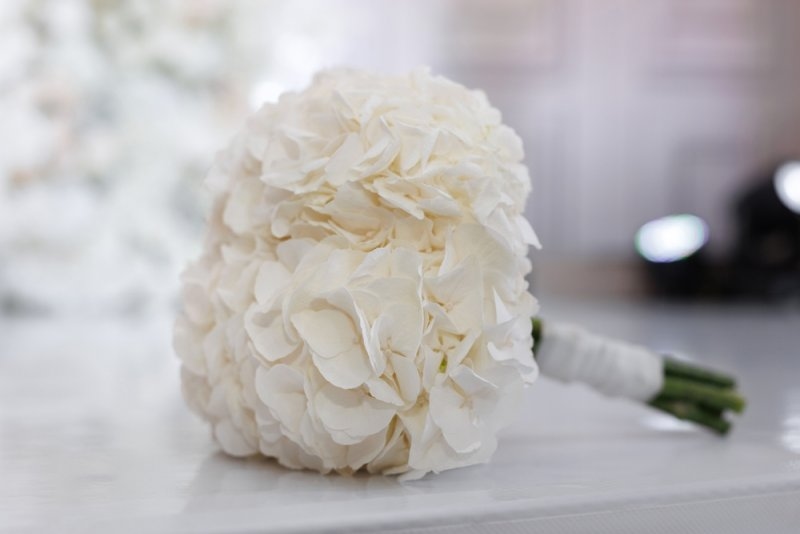
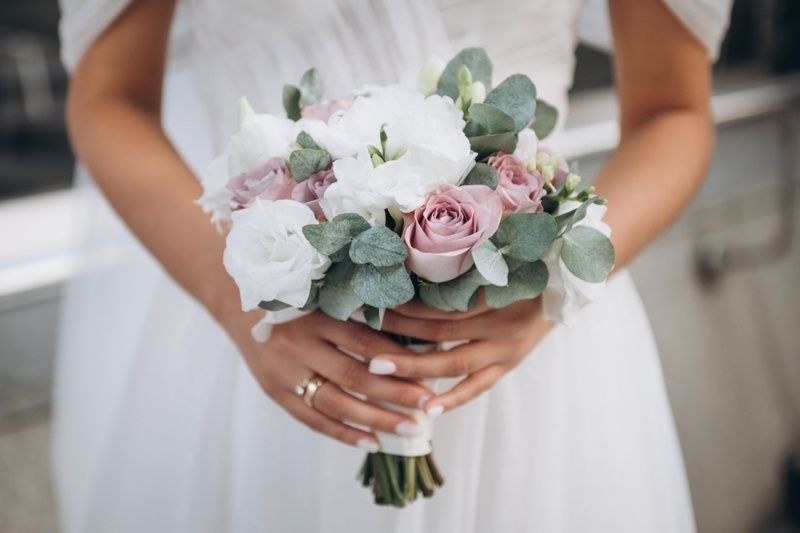
Wedding Flowers for Stunning Bouquets and Floral Decor

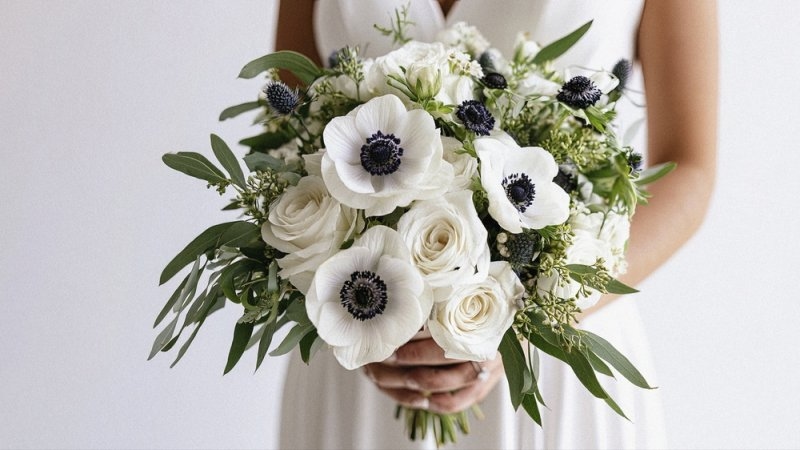
Key Takeaways
- Buy flowers suitable for the season for better quality and value.
- Be sure to coordinate your bridal bouquet with venue decor for a cohesive look.
- For classic wedding flower arrangements, combine classic blooms with greenery.
- Don't meet with your florist without a simple wedding flower guide.
- With a personal wedding floral design, it is often the case that the idea gives you more impact than the efficient show.
The process of wedding planning is very exciting, but often the selection of the flowers becomes next to impossible. Hundreds of flowers, infinite colors, and endless decorating ideas. It's easy to get lost here. Some couples pay attention solely to the venue, some spend weeks working out the ideal bouquet. That's not the case, but it's a mix.
We don't just look for good flowers to stand in a wedding, we look for the right flowers to capture the mood, tie all things together, and give our photographs a life. It's not necessarily that the priciest blooms are the best. This blog will cover the best wedding flowers, bouquet styles, floral decor ideas, and some tips for picking the right flowers for your big day.
Choosing Wedding Flowers That Match Your Wedding Style
Selecting the right wedding flowers begins with the overall mood of the celebration. A formal ballroom wedding calls for different blooms than a beach ceremony or a relaxed countryside venue. Don’t just follow the latest floral trends—pick flowers that suit the space, the season, and who you are.
The classics are classics for a reason. Roses always look elegant, peonies bring a soft touch, and ranunculus gives your bouquet some texture without stealing the show.
Wedding Bouquets That Complement Every Bridal Look
Your bouquet should highlight your dress, not fight it. Large cascading designs suit dramatic gowns, while compact hand-tied wedding bouquets work beautifully with minimalist dresses.
Many florists recommend carrying the bouquet during the dress fitting, at least a sample size, because proportion matters. Oversized wedding bouquets can hide intricate gown details, while very small arrangements sometimes disappear in photographs.
Bridal Bouquet Designs That Feel Personal
The bridal bouquet usually becomes one of the most photographed floral pieces of the day. It deserves attention beyond color matching. Some brides include a family heirloom ribbon, a meaningful flower, or blooms representing loved ones.
White garden roses with eucalyptus always feel timeless. Pair peonies with blush ranunculus for something softer and more romantic. Want a modern look? Go for orchids and calla lilies—clean, simple, a bit edgy.
Wedding Flower Arrangements Create The Complete Atmosphere
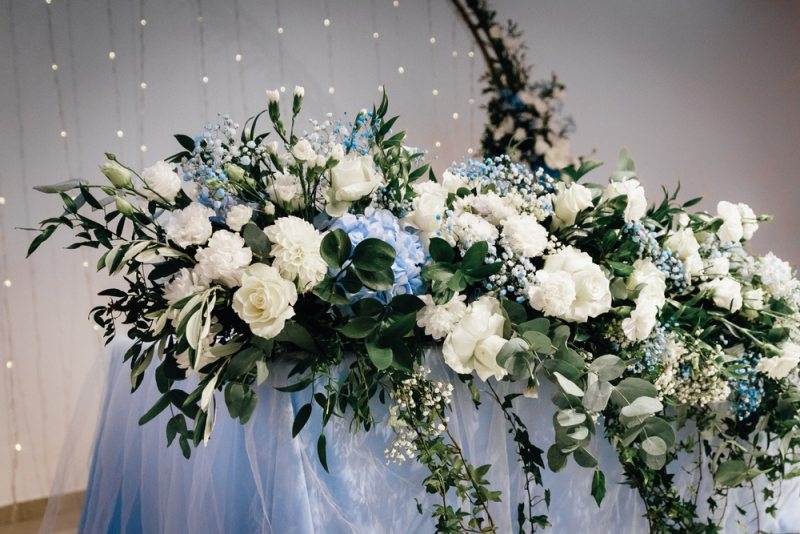
It’s not just the bouquets that matter—how you do wedding flower arrangements around your venue shapes the whole atmosphere. Before your guests even spot the details, they feel the mood from the overall setup.
Think ceremony arches, lush centerpieces, dramatic entrance displays, a decked-out sweetheart table, pretty aisle markers, or flowers hanging overhead—they all add to the experience. Well-designed wedding flower arrangements guide guests naturally from one space to another instead of making every area compete for attention.
Wedding Flower Arrangements for Every Wedding Space
Different spaces require different floral approaches. When playing in a large venue, larger, fuller arrangements are needed to fill the large space. Inevitably, smaller weddings can be beautiful with a handful of jewels just nestled in perfect harmony.
- Ceremony Arch: Celebrate with overflowing, natural flowers: roses, hydrangeas, eucalyptus.
- Reception Tables: Neat and greasy—peonies are at home, as are the ranunculus and garden roses.
- Bridal Table: Brighten up the table with orchids, calla lilies, and roses.
- Entrance Display: Tall glass arrangements with hydrangeas, delphiniums, and foliage are striking.
- Cake Table: Add delicate touches—baby’s breath, lisianthus, and spray roses work beautifully.
Matching the arrangement to each area just makes planning simpler—and your wedding feels intentional from start to finish.
Wedding Floral Ideas That Feel Fresh and Elegant
You don’t need giant, expensive flower installations for a gorgeous effect. Sometimes, grouping flowers along the ceremony aisle gives more impact than spacing them out—and it’s friendlier on the budget.
Another smart move: reuse your ceremony flowers at the reception. Those big aisle arrangements? Move them to surround your sweetheart table so nothing goes to waste and the look stays cohesive.
Follow a Wedding Flower Guide for Smarter Decisions
A simple wedding flower guide can save both time and money. Many couples walk into a florist's studio with screenshots from social media but no clear priorities. That usually leads to confusion. Start with the season, then your color palette, followed by the venue size and budget. Everything else fits around those choices.
The best wedding flower guide is practical rather than trendy.
Wedding Floral Ideas For Different Wedding Themes
Choosing wedding floral ideas becomes easier when the theme is already clear. The flowers should support the atmosphere instead of competing with it.
With a classic ballroom wedding, white roses, orchids, and hydrangeas are an expression of a timeless look. Garden weddings shine with peonies, lisianthus, and soft greenery.
Use Wedding Bouquets And Bridal Bouquet Styles Together
The bridal bouquet naturally takes the spotlight, but the rest of the wedding bouquets should feel connected. Bridesmaids' bouquets do not need to be identical. The smaller sizes, similar flowers, and colors are often more considered.
For example, if the bridal bouquet features white garden roses, blush peonies, and eucalyptus, the bridesmaids can carry simplified rose wedding bouquets with spray roses and greenery.
Final Thoughts
The best wedding flowers aren't simply there for a look of decoration but also for helping to capture the beauty of the event. They bring life, attention, and help people recall key points and cherish the day for years to come. From classic roses to romantic peonies, elegant orchids, and cheerful sunflowers, each bloom brings a unique touch.
Don't rush and beat around the bush, instead take time to do some comparison shopping, create a rudimentary wedding flower guide, get inspired on new wedding floral concepts, and choose wedding bouquets that are in line with what you and your future husband or wife want, and don't necessarily follow the trend.
FAQs
When is the best time to book a Wedding Florist?
In most cases, couples should start looking for a wedding florist six months, if not a year, prior to the wedding, and particularly during the high season for wedding flowers in the fall.
What are the Most Durable Wedding Flowers for An Outdoor Wedding?
A variety of flowers, such as orchids, chrysanthemums, carnations, calla lilies, alstroemeria, and protea, generally perform well outside the house. Your florist can also make suggestions on which flowers are hardy for each season in light of the expected weather and environment.
Can Artificial Flowers Be Mixed With Fresh Wedding Flowers?
Yes. To keep up the cost, many pairs are mixing good-quality artificial flowers with fresh, seasonal greenery. If set up professionally, people barely see the difference in the large sizes of wedding bouquets.
What To Do With Your Bridal Bouquet After The Wedding?
A bridal bouquet can be kept by any 1 of the following processes: air drying, silica gel drying, pressing, or freeze drying professionally. It will rely on the kind of flowers and the keepsake being created, including framed art or an exhibit piece.
This content was created by AI