Elopement Bouquet Ideas for a Romantic Wedding Style

Weddings have changed a lot. Big halls, huge guest lists, long timelines — not everyone wants that anymore. Some couples want quiet mountains, a windy beach, or maybe just a forest trail with two people standing there making promises. That shift also changes wedding details, especially flowers. A bouquet for an elopement feels different. Smaller sometimes, less formal often, but still personal. It should match the mood, not fight it. Soft, wild, messy in a good way. In this blog, we’ll talk about romantic bouquet styles, flower choices, sizing, and colors, plus practical tips for elopement florals.
Choosing the Right Elopement Bouquet for Your Style
An elopement flower bouquet should feel connected to the setting. A dramatic cliffside wedding may need something textured, loose, and slightly wild. A city elopement can work with cleaner shapes, softer colors, and fewer flowers. Matching the place matters more than people think.
Flowers also photograph differently outdoors. Wind moves stems, sunlight changes colors, and petals react to heat. So picking blooms that survive weather is smart, not boring.
Pick Seasonal Flowers for a Better Look
Seasonal flowers usually look fresher, cost less, plus hold up better during travel. If your elopement means hiking, driving long hours, or changing locations, sturdy blooms matter.
Some reliable options include:
- Roses for a soft romantic feel
- Wildflowers for relaxed outdoor weddings
- Orchids for modern minimal looks
- Dried florals if you want texture and less stress
The bouquet does not need twenty flower types. Sometimes fewer stems feel more honest.
Romantic Small Elopement Bouquet Ideas That Feel Personal
A small elopement bouquet often fits the mood better than oversized wedding flowers. Elopements are intimate. Quiet. Personal. Carrying something huge can feel out of place, especially outdoors.
Small bouquets also make movement easier. Climbing rocks in a mountain dress while holding heavy flowers sounds charming in photos—less charming in real life.
Keep it Soft With Loose Flowers
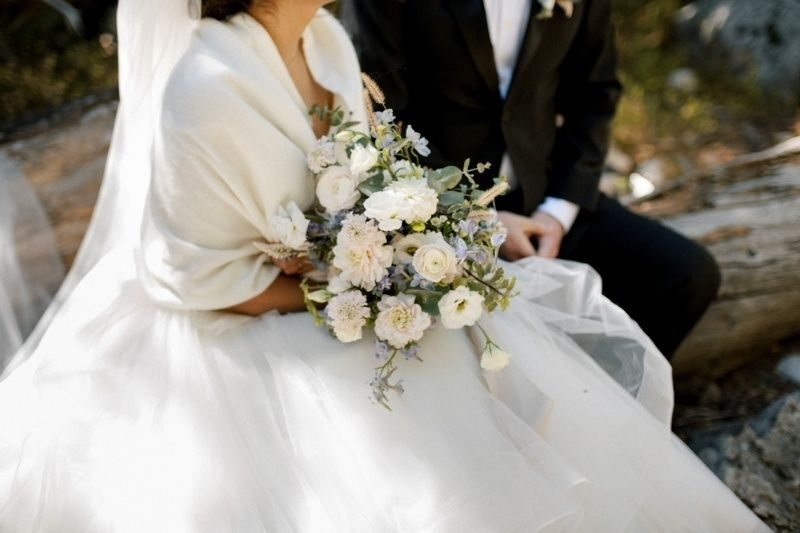
Loose bouquets feel romantic because they look slightly undone. Garden roses, ranunculus, eucalyptus, maybe a few trailing greens. Nothing too tight or overly structured.
That imperfect shape works beautifully in candid photos. Wind catches movement. Flowers bend a little. Feels alive.
Choose One Statement Flower
Some couples go smaller but stronger. One standout flower repeated through the bouquet creates impact without making it bulky. Think oversized roses, peonies, or orchids mixed with simple greenery. Clean look. Less visual noise.
A smaller bouquet also lets your dress, rings, and surroundings stand out more in pictures.
Finding the Best Elopement Wedding Bouquet Style
An elopement wedding bouquet should feel like part of the experience instead of a decoration added at the last second. Romantic weddings especially benefit from texture and softness.
There is no single perfect bouquet style. Different settings ask for different energy.
Wild and Organic Bouquets
This style feels effortless, though it usually takes planning. Flowers are arranged loosely with uneven lengths, soft greenery, and maybe dried elements.
Perfect for:
- Mountain elopements
- Forest weddings
- Beach ceremonies
- Desert backdrops
Wild bouquets look natural beside dramatic landscapes. Too polished can sometimes feel strange outdoors.
Minimal Romantic Arrangements
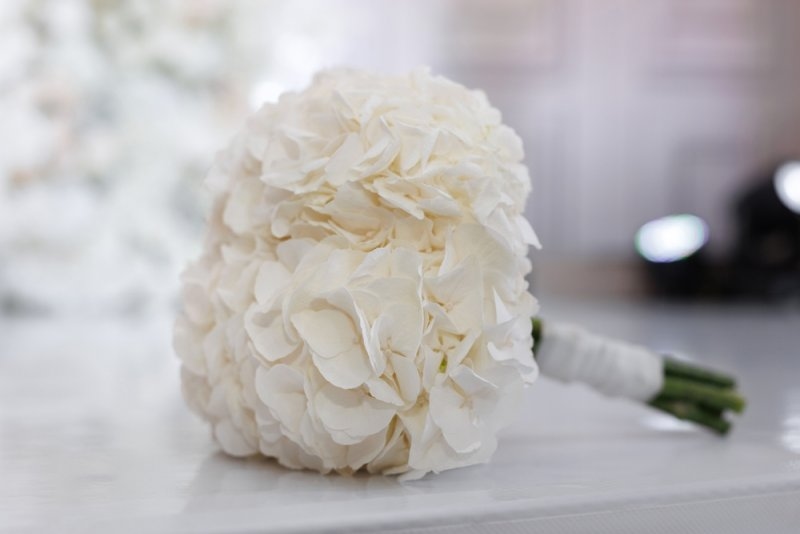
Minimal bouquets work for courthouse weddings or city elopements. A few quality blooms, clean wrapping, simple shape. White roses with greenery. Soft blush flowers tied loosely with silk ribbon. Even monochrome palettes work surprisingly well.
Simple doesn’t mean plain. It feels intentional.
Don't Miss: Elegant Rose Wedding Bouquet Ideas on Your Special Day
Creative Elopement Bouquet Ideas for Different Settings
When people search for elopement bouquet ideas, they often focus only on flower types. But location matters just as much.
Mountain Elopement Flower Ideas
Mountain settings usually look best with textured florals. Add greenery, movement, and slightly larger shapes because landscapes already feel massive.
Try combinations like:
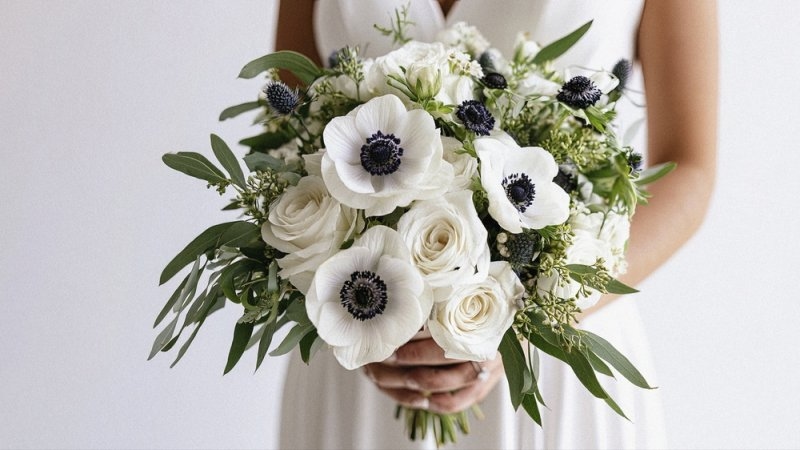
- White roses with eucalyptus
- Wildflowers with soft peach tones
- Neutral florals mixed with dried grass
Bright colors can work too, though softer palettes often blend better with nature.
Beach Wedding Bouquet Inspiration
Beach elopements usually need lightweight bouquets. Strong wind exists—flowers shift, and sand gets everywhere. Choose flowers that survive heat well. Tropical blooms, orchids, sturdy roses, and greenery that does not wilt quickly.
Loose ribbons moving in ocean wind look beautiful in photos. Tiny detail, big effect.
Forest and Garden Wedding Flowers
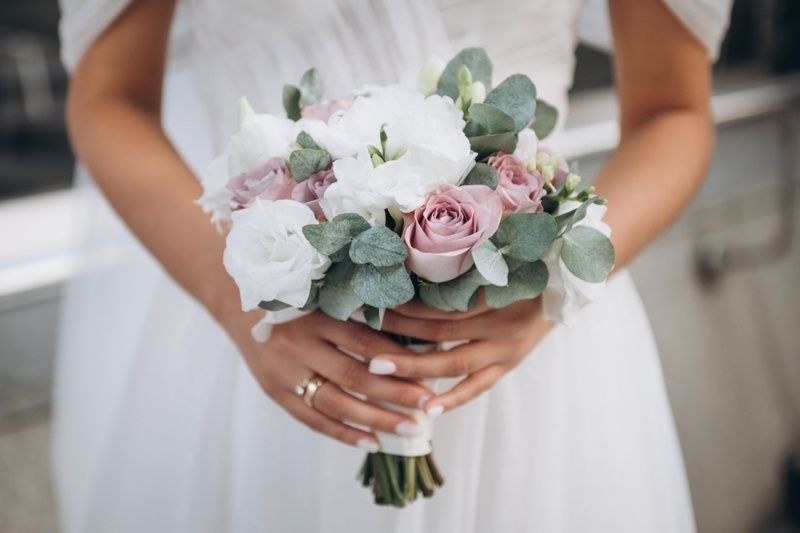
Forests feel romantic already, so flowers can stay soft and natural. Think creamy whites, dusty pinks, muted greens. Bouquets here look best when slightly imperfect. Overly stiff arrangements can feel too formal against trees and open spaces.
Sometimes a messy shape looks more expensive somehow.
Practical Tips Before Ordering Your Bouquet
Pretty matters. But practical matters, too. If you are traveling for your ceremony, flowers should survive transport. Delicate blooms may not hold up after hours in a car or backpack.
Ask your florist questions early:
- Will flowers survive the weather conditions
- How heavy is the bouquet
- Can flowers last all day for photos
- Are seasonal blooms available
Also, think about repurposing flowers. Small bouquets can later decorate dinner tables, ceremony spots, or flat-lay photos.
Matching Bouquet Colors With a Romantic Wedding Style
Color changes everything.
Soft neutrals feel timeless. Cream, blush, dusty pink, pale peach—easy romantic choices. But muted greens and darker tones also work if the mood feels moodier or cinematic.
Avoid forcing trends into your wedding if they do not feel personal. Bright, trendy colors sometimes age quickly in photos.
Instead, match flowers to:
- Wedding outfit
- Season
- Location tones
- Personal style
That usually creates a stronger result than following wedding trends online.
Also Read: 10 Best Spring Wedding Bouquet Ideas For Every Bride
Conclusion
A romantic elopement bouquet does not need to be huge or expensive. It just needs to feel like you. Maybe that means wildflowers tied loosely with ribbon. Maybe elegant roses in soft colors. Or one dramatic bloom carried through a windy mountain trail. The best bouquets usually feel natural beside the moment instead of competing with it. Keep things simple when needed, practical when possible, and personal always.
FAQs
How far ahead should you order an elopement bouquet?
It’s smart to book your flowers one to three months in advance—even if your wedding is small. Florists get busy during wedding season, and sometimes specific flowers aren’t available. Don’t forget, travel plans might impact when you actually get the bouquet.
Can you use artificial flowers for an elopement?
Absolutely. If you’re headed somewhere far or off the beaten path, artificial flowers make things easier. High-quality ones look great in photos, and you won’t have to stress about them wilting or getting ruined by the weather.
Should both partners carry flowers at an elopement?
If you want to! One person might want a bouquet, the other a boutonniere. Sometimes couples go for matching mini bouquets or other floral touches. There’s no rule here—just do what feels right for you.
What do people do with the bouquet after the elopement?
A lot of couples keep their flowers as a memento. Some dry them, press the petals in a frame, or turn them into another keepsake. Others just enjoy the flowers at home for a few days before saying goodbye.
This content was created by AI